What happened with Dropbox and Tigris?
On 5 November 2026 Dropbox announced a deal to buy Tigris Data, signed two days earlier, for about $350 million in cash. That is in its filing with the SEC, the US markets regulator. According to TechCrunch it is the largest acquisition in Dropbox's history. The deal is expected to close by the end of the year.
- Tigris offers storage for files and data spread across several regions of the world, built for AI applications. It was founded by former Uber engineers, TechCrunch reports.
- Dropbox is launching DBX Agent Cloud. It starts as standalone storage that you can buy without Dropbox, and it works with software built for Amazon S3, the most common standard. Next comes a space where agents keep files from one session to the next.
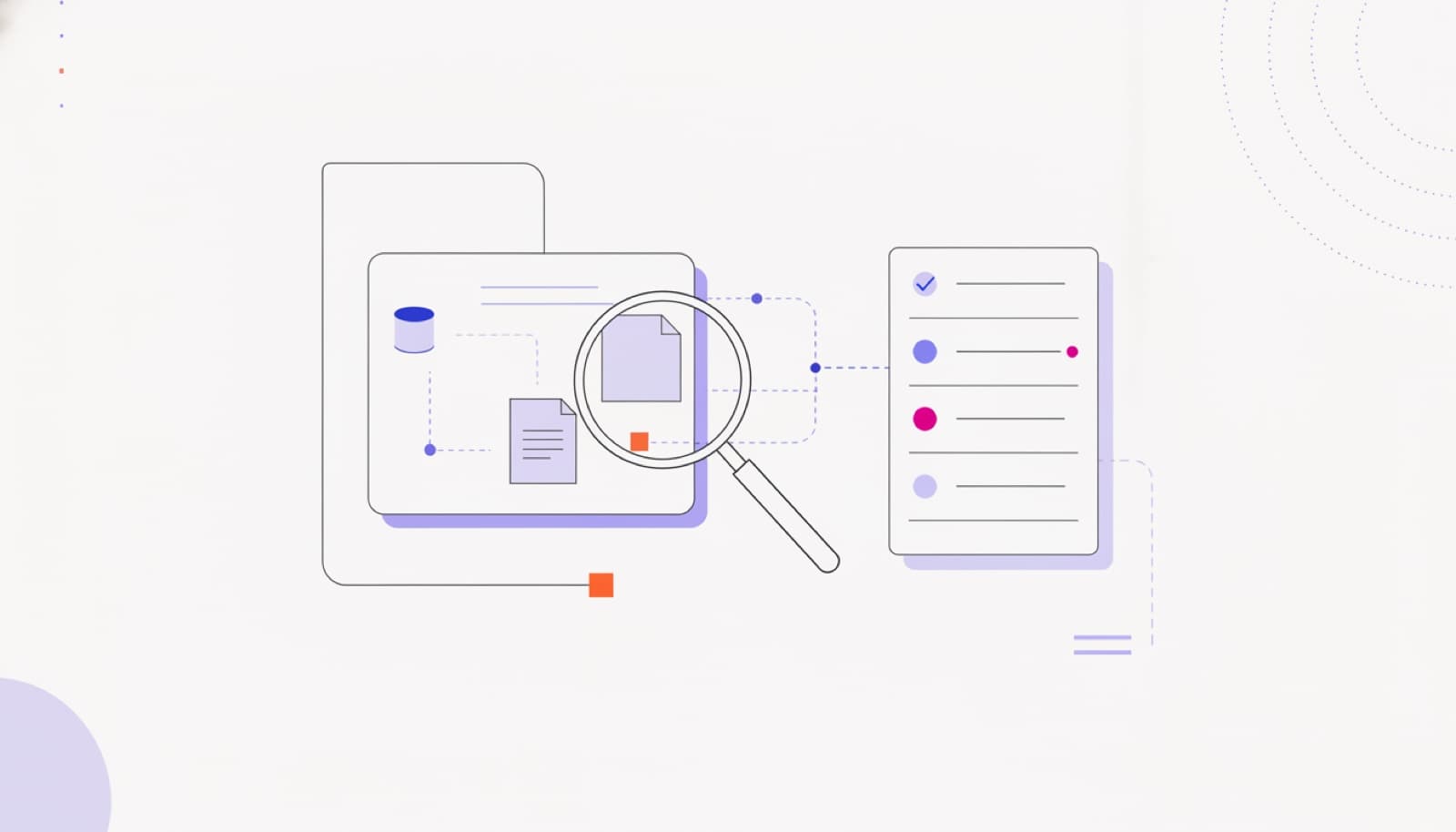
- Everyday Dropbox gets AI actions on files, such as searching, summarising a folder, comparing versions or renaming. According to Dropbox, the AI shows a plan for approval before changing anything, works within existing permissions, lets you undo, and keeps a record of its actions.
- Dropbox files can also be used from ChatGPT, Claude and Muse. The new features start with Standard and Advanced customers in the US, UK and Australia, with wider availability planned for 2027.
What does it mean for your business?
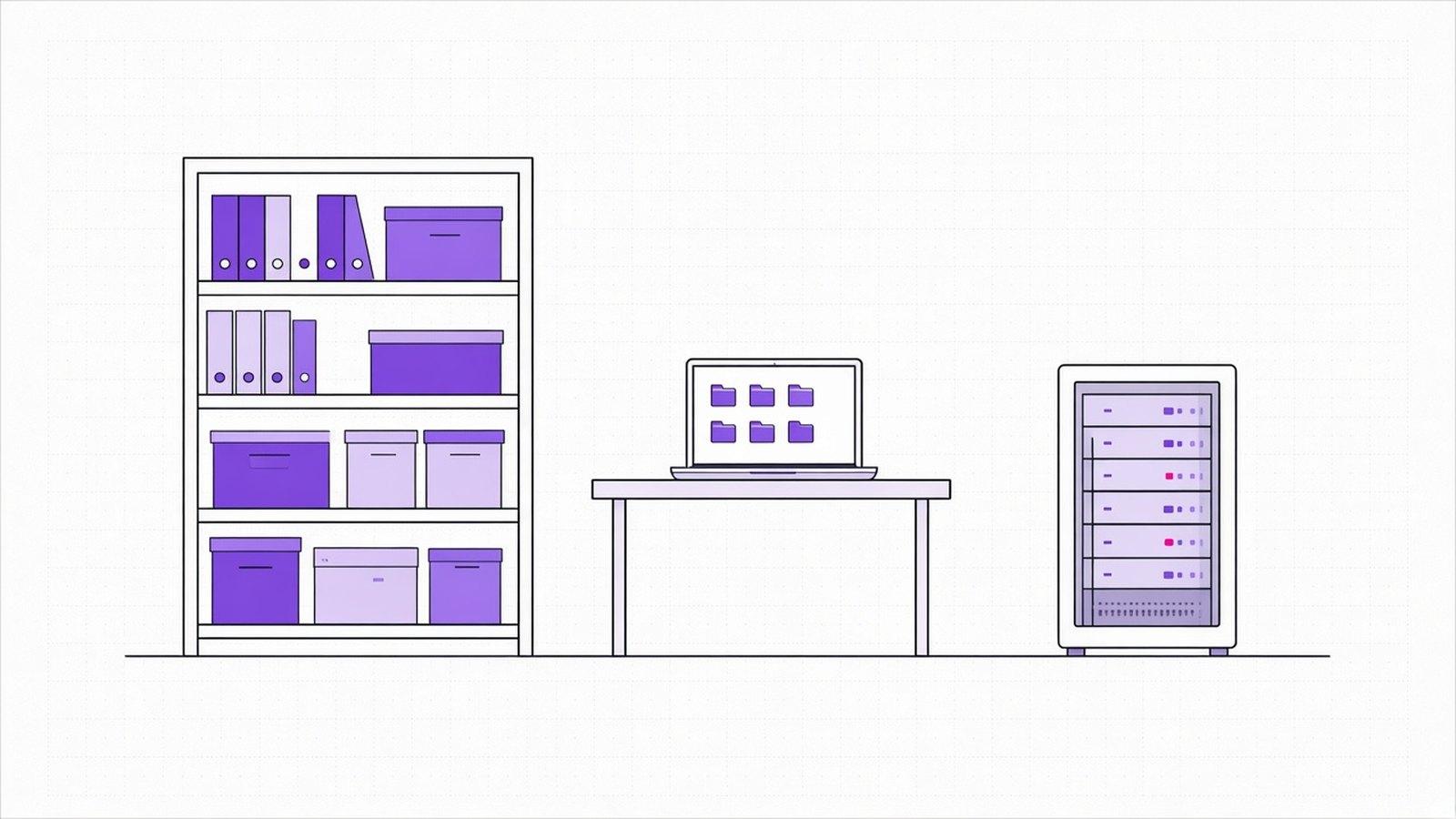
Take a technical office that keeps quotes, drawings and contracts in a shared folder. Today someone downloads a file, uploads it to an AI chat and saves the result somewhere. With an agent connected to the storage, that step goes away. The agent reads the quote, drafts the reply and saves it in the same folder. But it works with the permissions you give it, and any file it can read it can also move or send outside.
Our read: in announcements like this, the rules matter more than the storage. A plan to approve, the permissions you already have, an undo button and a log are what to look for in any storage where an agent works, Dropbox or not.
What about us?
We haven't tried DBX Agent Cloud. In the systems we build, as our Security page says, data stays in your environment, the agent can reach only the modules it needs, and every call is logged with its inputs and outcome. Those are the same questions we would ask Dropbox before connecting an agent to it.
What should you do now?
- If you use Dropbox outside the US, UK or Australia, there is nothing to switch on yet. The new features start in those three countries.
- If you already connect Dropbox or similar storage to ChatGPT or Claude, check which folders the chat can see and who in the company granted that access.
- If you want an agent that writes to your files, ask for a plan to approve, a way to undo and a log of actions before any test with real data.
“Before you choose where an agent saves files, decide who checks what it saves.”
DBrothers — how we connect an agent to documents
Pick a shared folder used every day and write down who can read it, who can change it and where changes are recorded. If one answer is missing, we start there before connecting an agent.