Should you build or buy an AI agent?
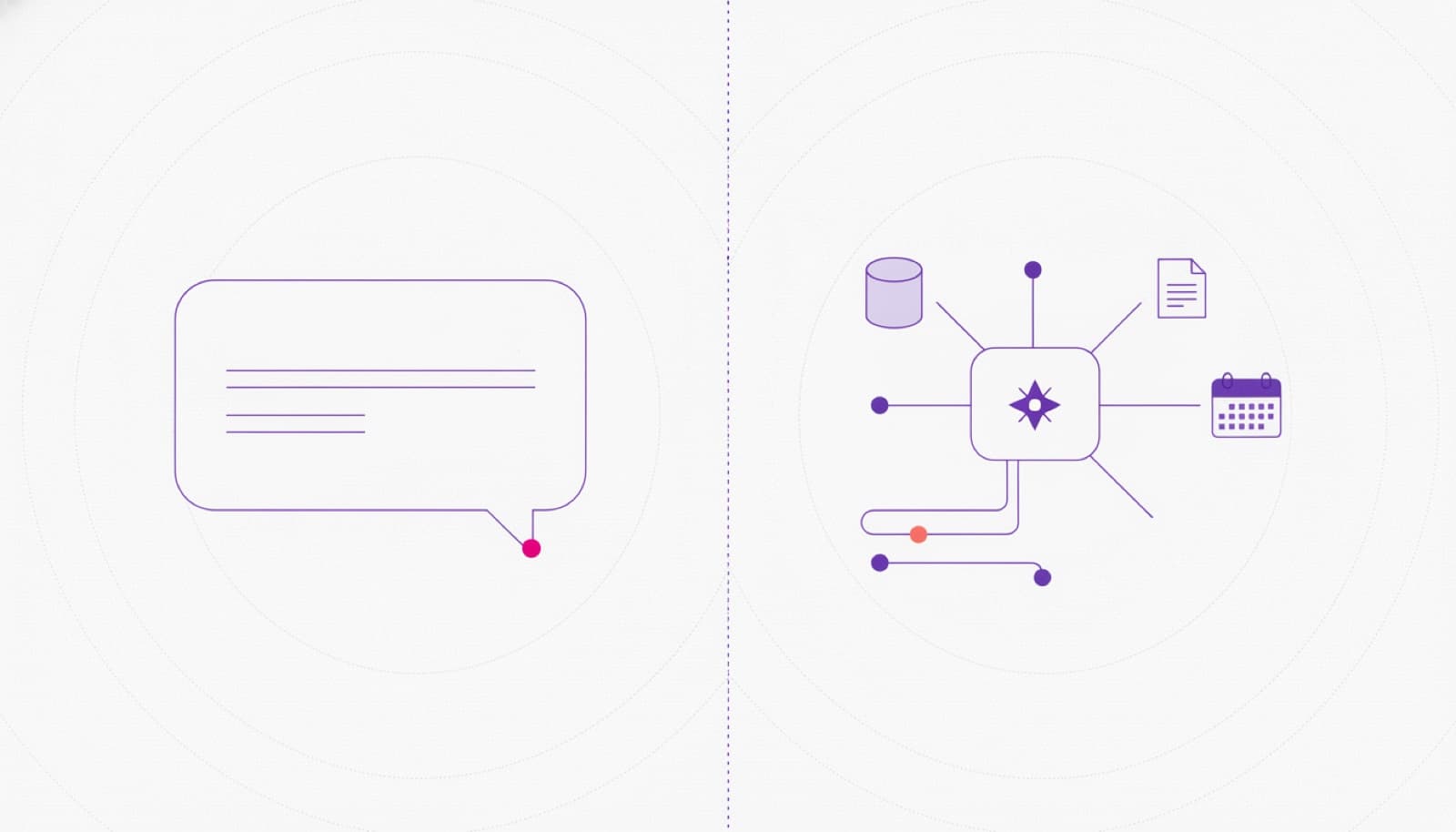
Buy when a product already matches how you work and you just need it switched on. Build when how you work is the point — when the process is your advantage, your data is sensitive, or the agent has to reach into systems no vendor has ever seen. The decision isn't about which is more modern. It's about whether your workflow is generic or specific.
The trap on both sides is real. Buy the wrong thing and you spend a year bending your process to fit a tool. Build the wrong thing and you spend that year maintaining plumbing a product would have given you for free.
Buy — when this is you
- The workflow is common — support deflection, meeting notes, generic scheduling.
- Speed matters more than fit; you want value this month, not next quarter.
- You have no engineering team to own a custom system over time.
- The data involved isn't sensitive or tightly regulated.
- Good enough, today, beats perfect, later.
Build — when this is you
- The workflow is a genuine differentiator — copying a competitor's tool would erase your edge.
- The agent must span your specific stack: your CRM, your ERP, your database, your rules.
- You're in a regulated field where data handling and audit trails are non-negotiable.
- Off-the-shelf products force process changes that cost more than the software.
- You need to own the thing — the logic, the data, the roadmap.
The real cost isn't the licence
Buying looks cheaper because the price is on the page. But the cost of buying the wrong-fit agent is the workarounds — the manual steps your team keeps doing because the product doesn't quite reach, the exceptions it can't handle, the export-reimport dance between it and the system it doesn't integrate with. Those don't show up in the quote.
Building looks expensive because you see the whole bill up front. But a custom agent that fits the workflow exactly removes the workarounds entirely. The right question is not "which is cheaper to acquire" but "which is cheaper to live with for three years."
"Build" doesn't have to mean "slow." That platform went from nothing to production in seven days on the right foundation. The build-vs-buy timeline gap is smaller than most people assume — modern tooling and low-code foundations have closed it dramatically.
The third option most people miss
It's rarely a clean binary. The strongest pattern for most companies is to buy the platform and build the workflow on it — take a proven agent framework, model provider and integration layer off the shelf, and put your specific process, rules and data on top. You skip reinventing the hard, generic infrastructure and still own the part that's actually yours.
- Pure buy: fastest, least fit, you rent the outcome.
- Pure build from scratch: best fit, most effort, rarely necessary today.
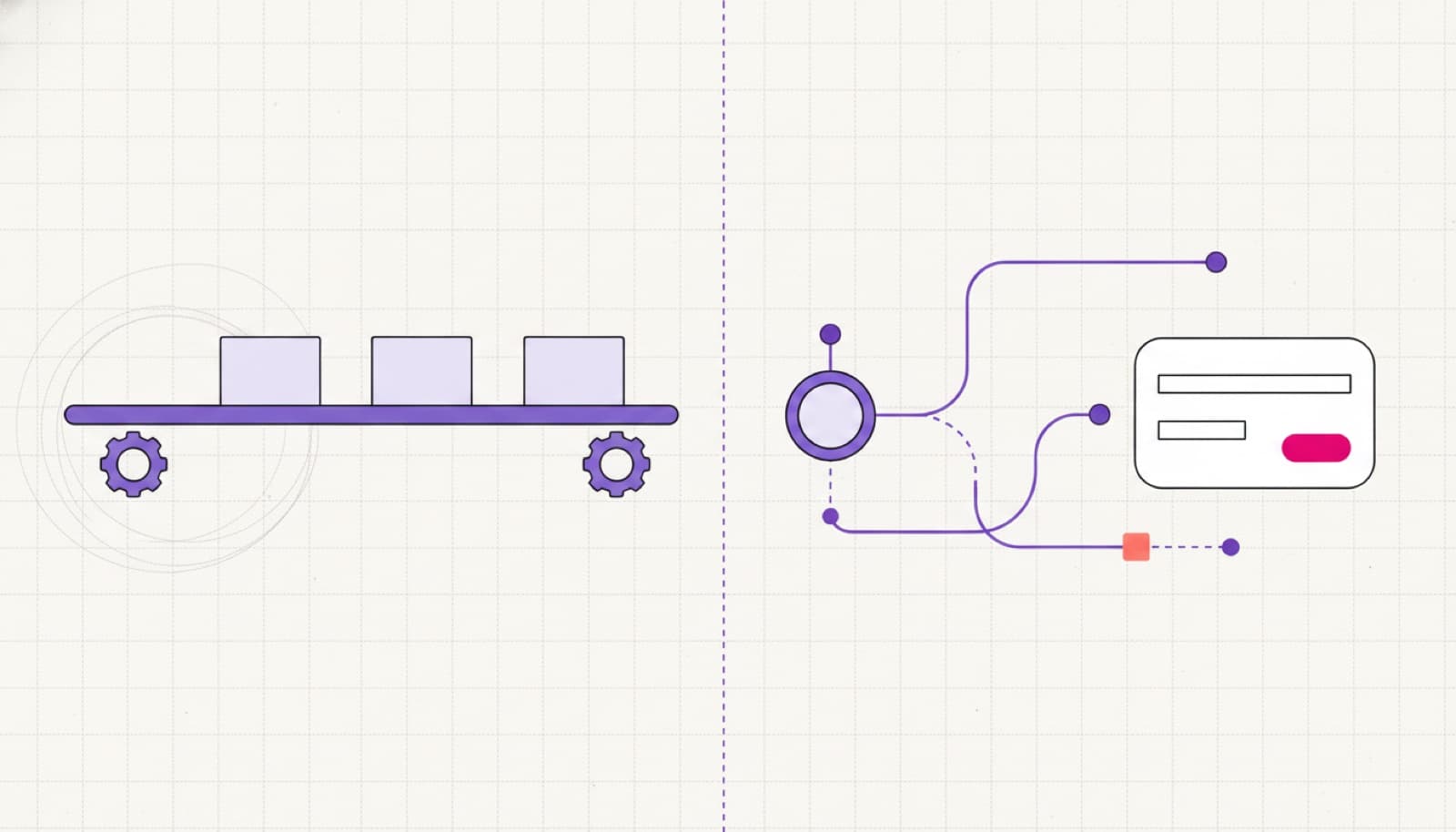
- Buy the platform, build the workflow: proven foundation, custom process, fitted to what matters.
“Own the workflow, not the plumbing. Buy the parts that are the same for everyone; build the part that's only true for you.”
DBrothers — build vs. buy
Decide by asking one thing: is this workflow generic, or is it yours? Generic — buy, and don't over-engineer. Yours — build it, but build it on a platform so you're spending effort on your edge, not on infrastructure everyone else already has.