Product Design & UX
Product design for AI-era software — interfaces people actually adopt. For teams shipping tools their staff have to use every day, and agents their customers have to trust. We started as a brand and UI/UX studio in 2014; today we design the front end of the systems we build and run.
- SAMPLES HANDLED THROUGH OUR INTERFACES
- 6M+
- SCAN ERROR RATE — ONCOLOGICA LIMS
- 0.5%
- MEMBERS USING OUR PORTAL
- 1,800+
- DESIGNING PRODUCTION SOFTWARE
- 12 yrs
Product UI, agent interfaces and design systems
Interfaces for the software we build — agent hand-offs, regulated tools and brand systems. Designed for adoption and error rate, not applause.
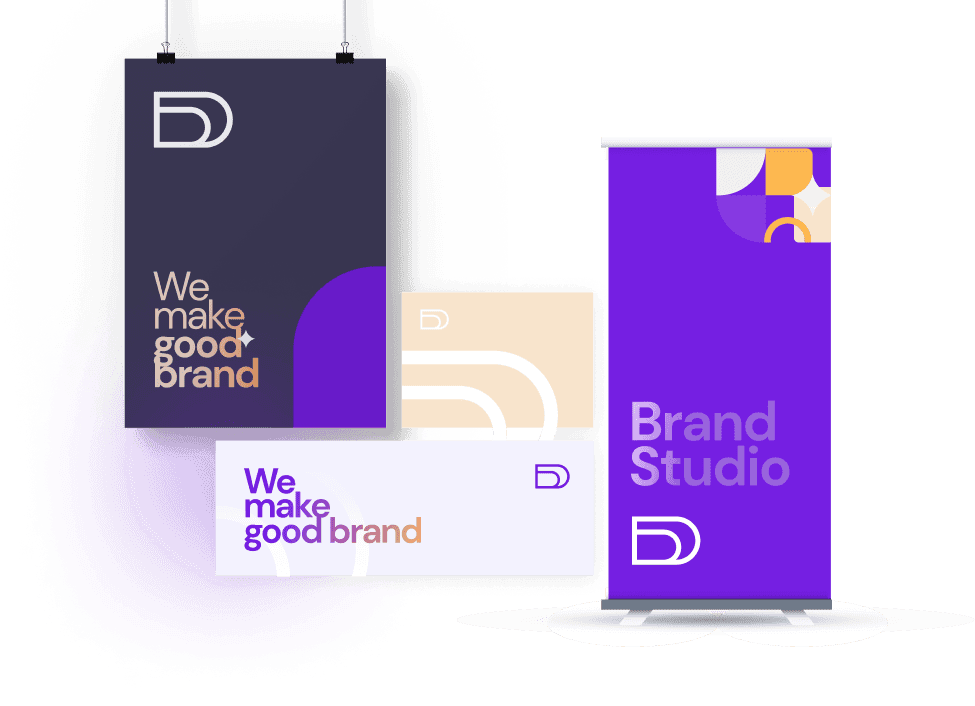
Brand and product design since 2014.
We started as a brand and UI/UX studio — that craft still runs through every interface we ship. Watch how we move from brief to production-ready design.
What we build
- D·01
Product design
Interfaces for the software we build — designed for the people who use them all day.
- D·02
Agent interfaces
Where people and agents meet — clear hand-offs, visible context, decisions you can trust.
- D·03
UX for regulated tools
Lab and health systems where clarity prevents error — like the LIMS behind 6M+ samples.
- D·04
Brand & UI systems
Design systems and brand work — our founding craft, applied to production software.
- D·05
Adoption design
We design for the metric that matters: whether the tool actually gets used.
Adoption is the metric
A tool nobody opens is a tool that failed. The Oncologica LIMS surfaces a 250ms validation clearly enough that lab staff hold a 0.5% error rate across 6M+ samples. We design the interface the same way we build the system — for the person who has to use it.
- 6M+SAMPLES HANDLED THROUGH OUR INTERFACES
- 0.5%SCAN ERROR RATE — ONCOLOGICA LIMS
- 1,800+MEMBERS USING OUR PORTAL
- 12 yrsDESIGNING PRODUCTION SOFTWARE
From identity to the interface people use daily.
Logos, design systems, presentation templates and the product UI itself — one team so the brand and the software feel like the same company.
Browse case studies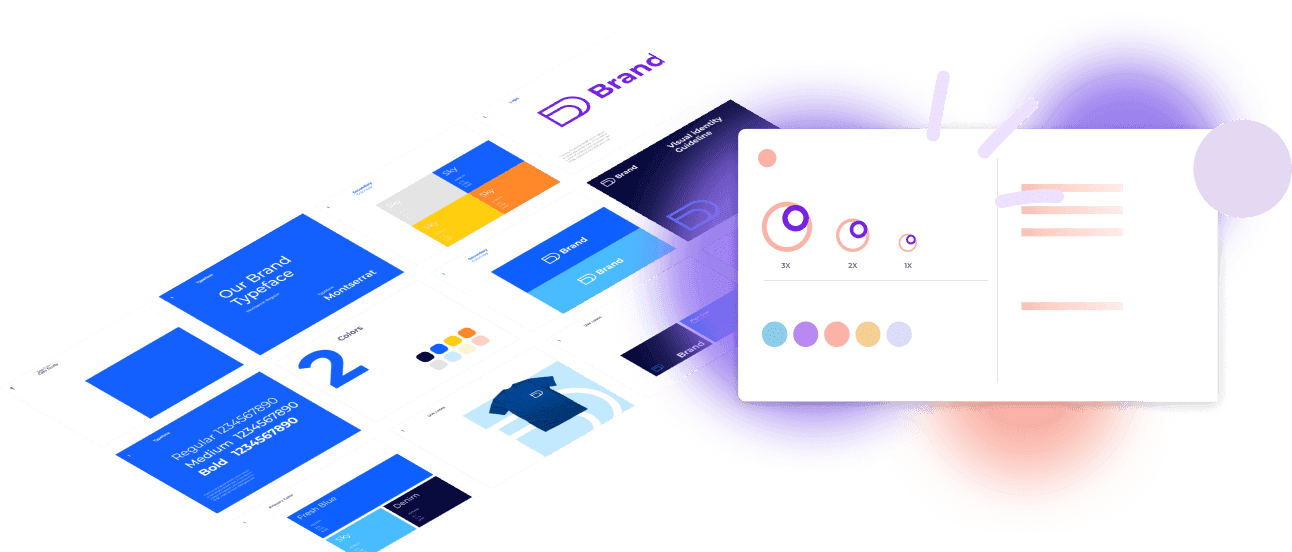
Design measured by adoption, not mockups.
The Oncologica LIMS surfaces a 250ms validation clearly enough that lab staff hold a 0.5% error rate across 6M+ samples. That's the outcome we design for.

Smart meetings & holistic approach
We prioritise client connection while respecting time — async video updates over standing meetings. Every build starts from the whole system, not a single feature.

Flexible, lean management
We adapt as requirements evolve — overcoming obstacles with streamlined solutions instead of process theatre.

Subject-matter expert board
When a domain exceeds our bench, we bring in industry experts so the software stays relevant and pragmatically effective.

Specialised in complex subjects
Regulated industries, certification criteria, legal compliance — we have shipped in life sciences, mobility, healthcare and public sector.

Fast delivery
Engineers trained to deliver the maximum in the shortest time — always looking for alternative solutions or technologies to hit the target.

Adaptive billing schemes
After discovery we tailor the model — FTE, retainer, time-and-materials or subscription — to match your budget and risk profile.
How we deliver
STEP 1 Map & scope
We map who uses the tool and what they need to do, then scope the interface around them.
STEP 2 Build & connect
Designs wired into the real product — components, states and agent hand-offs, not mockups.
STEP 3 Run & measure
We ship, watch how it's used and refine — measured by adoption and error rate, not applause.
01Do you do design without building the software?
We can, but our strength is designing the front end of systems we also build and run. That means the interface ships as real product — connected components and states — not a mockup handed off to someone else.
02What does designing for AI-era software mean?
It means designing where people and agents meet: clear hand-offs, visible context and decisions a user can trust. When an agent acts, the person needs to see what it did and why. That interface is a design problem.
03Isn't DBrothers an AI company now — why design?
We started as a brand and UI/UX studio in 2014, and that craft still matters. Agents and custom systems only pay off if people adopt them. Design is how the software gets used, so it stays part of every build.
04How do you measure a good design?
By adoption and error rate, not looks. The LIMS interface helps lab staff hold a 0.5% scan error across 6M+ samples — that's the kind of outcome we design for, and the kind we measure against.
§ 07
Ready to put this to work?
It starts with a 30-minute scoping call: one workflow, the modules it needs, a scoped proposal.