
Running a live event safely in the middle of a pandemic
An access-control and ticketing system built in under two weeks let the University of Cagliari's Festival of Architecture run a live, in-person event safely — with per-sector risk scoring, live crowd-density data, and automatic health alerts.
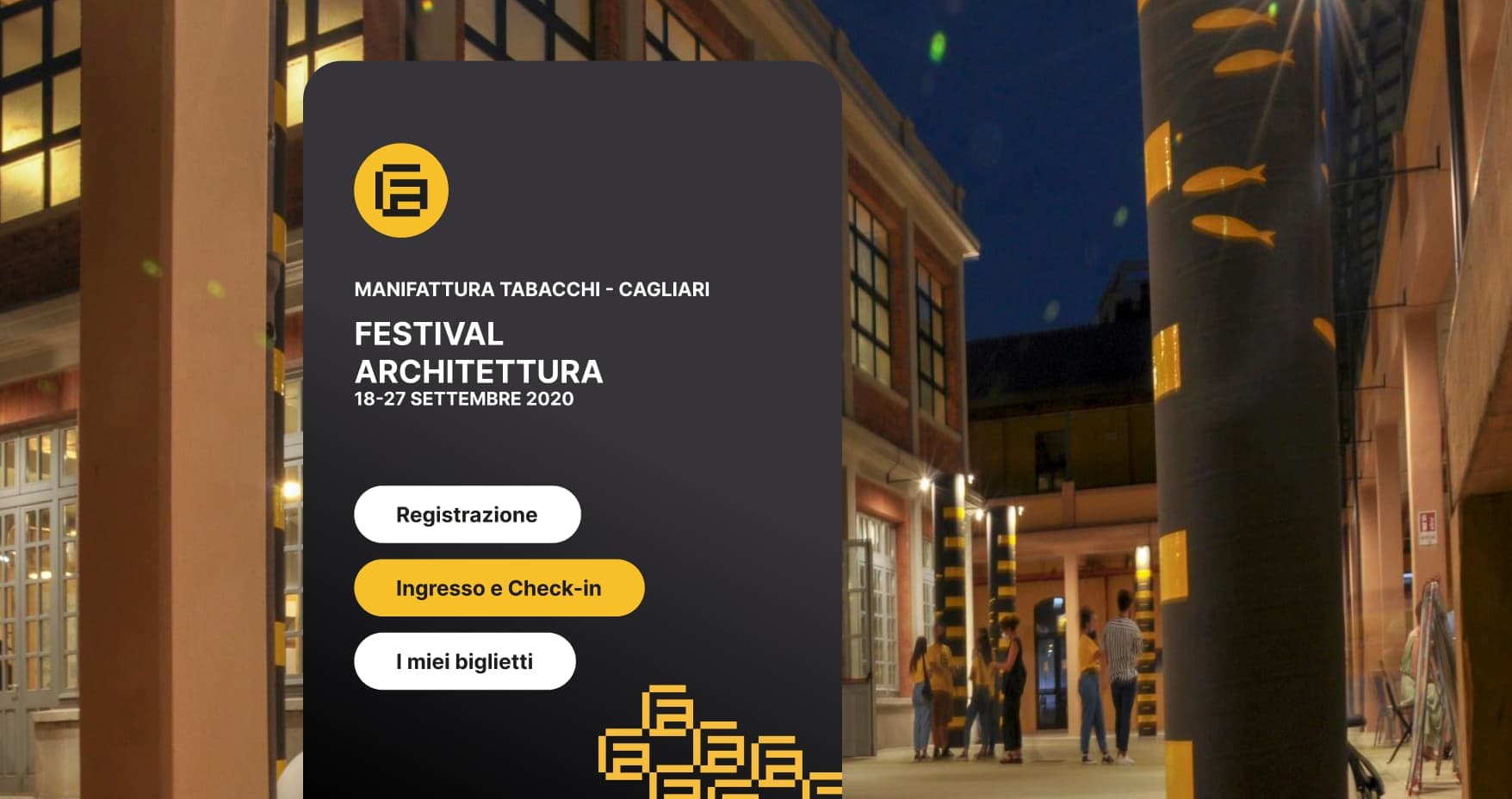
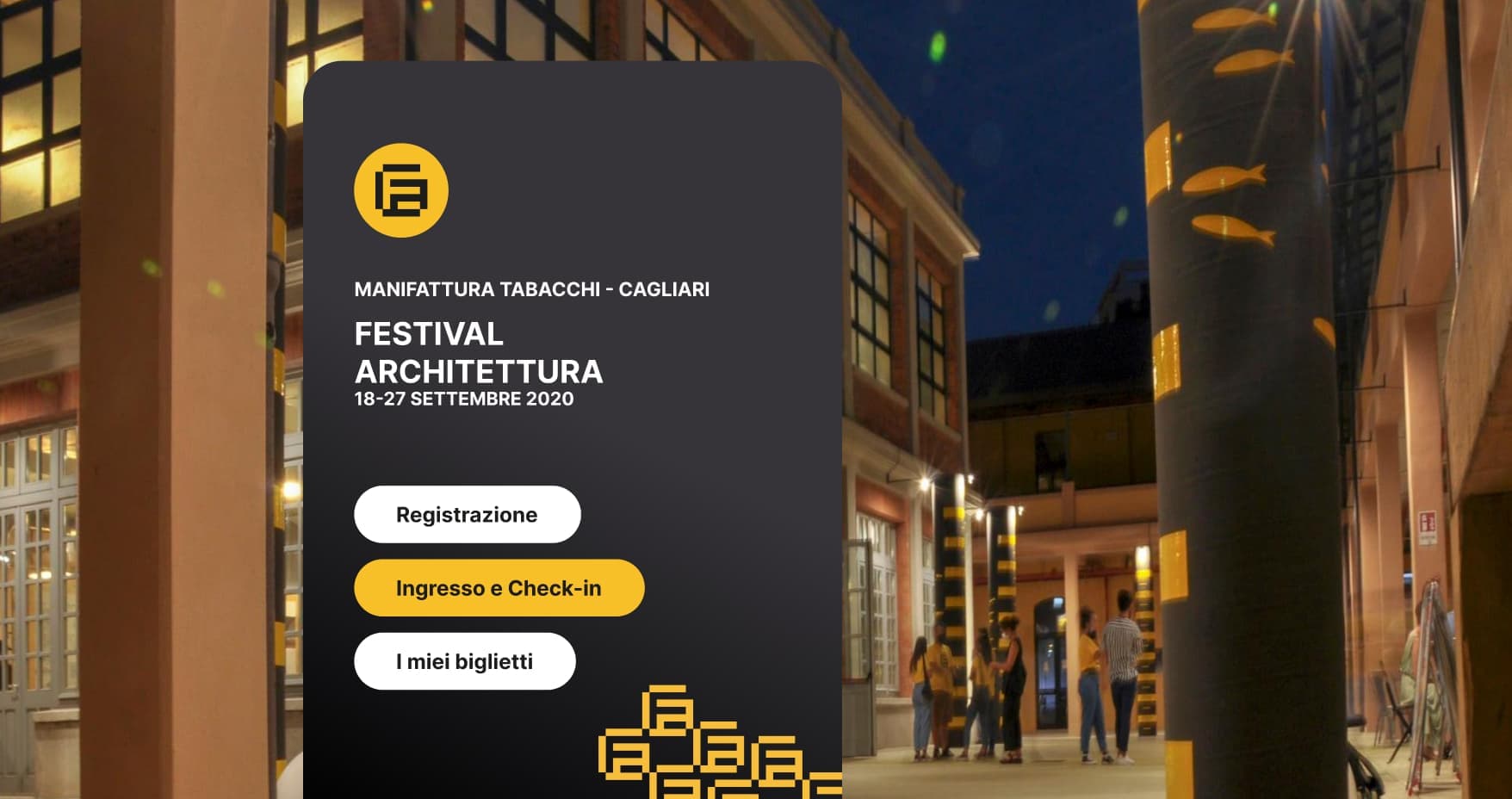
The challenge
- In the middle of the COVID-19 crisis, the Festival of Architecture had to organise a live, in-person event under strict health guidelines.
- Crowd density had to be monitored and controlled in real time across different sectors to maintain distancing.
- The whole system had to be designed and deployed within a very tight two-week window.
What we did
- We built an ultra-fast access and ticketing system that removed queues and used BigQuery to calculate risk and track visitor numbers per sector.
- A custom algorithm prevents overcrowding in each hall and, if an outbreak is detected in an area, automatically notifies every attendee.
- The backend runs serverless on Firebase with Node.js; the front end uses Nuxt.js for fast, server-rendered access.
- Google Looker Studio visualises crowd density and risk in real time, and Make orchestrates the automated data workflows. A companion app supports entrance operators.
Results
- 2 weeksfrom brief to live deployment
- 100%serverless on Google Firebase
The context
The client was the University of Cagliari's Department of Civil and Environmental Engineering and Architecture, host of the Festival of Architecture. In the middle of the COVID-19 crisis, they still wanted to run the festival as a live, in-person event.
That meant meeting strict health guidelines while people moved through the venue. Crowd density had to be monitored and controlled across different sectors to keep distancing, and the whole system had to be built and deployed inside a two-week window.
What we built
We built an ultra-fast access and ticketing system that removed queues and used BigQuery to calculate risk and count visitors per sector.
- A per-sector risk-scoring algorithm that prevents overcrowding in each hall.
- Automatic notifications to every attendee if an outbreak is detected in an area.
- A serverless Firebase and Node.js backend with a Nuxt.js server-rendered front end for fast access.
- A companion app with scanning for entrance operators, plus on-site badge printing.
How it works in production
An operator scans an attendee at the door, the badge prints on the spot, and the system tracks how many people are in each sector. Google Looker Studio visualises crowd density and risk live, and Make orchestrates the data workflows behind it. If a sector fills up or a health alert fires, the system responds without anyone having to watch a screen.
The outcome
The system went live in under two weeks, running fully serverless on Google Firebase, with per-sector risk scoring and smart alarms wired into live contagious-risk data. The festival ran in person, safely, at a moment when most events like it were cancelled.
§ 03
Have a workflow like this?
Book a 30-minute scoping call: we map one workflow, the modules it needs, and the hours a system would return.