
Bringing control of shared mobility back to the city hall
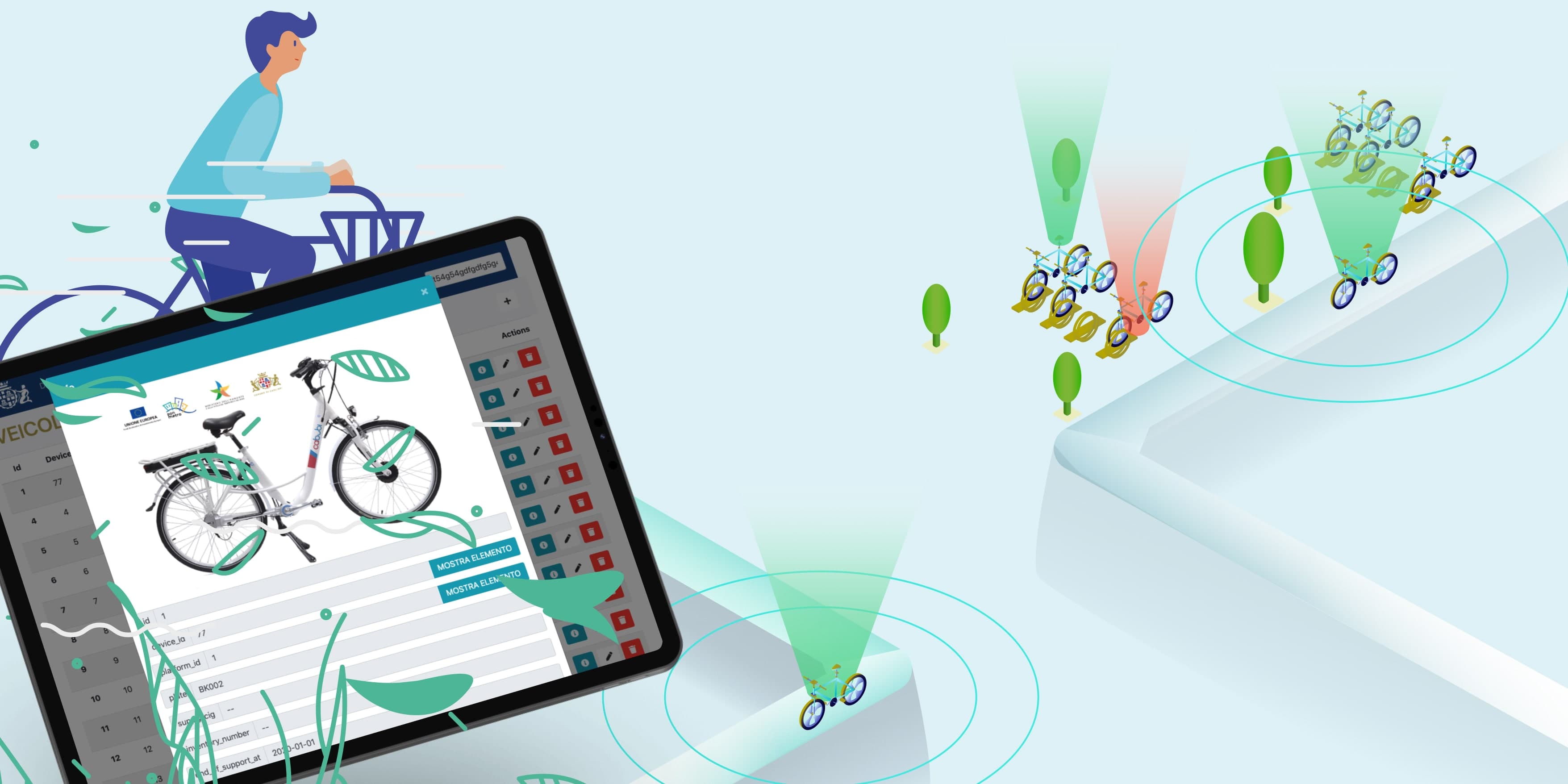
An IoT platform and middleware API gave the City of Cagliari real-time oversight of 150+ shared vehicles — unifying every private and public micro-mobility operator behind a single standard so city operators could manage the whole fleet from one app.
The challenge
- The city wanted to integrate private micro-mobility services — bikes and scooters — into a single system it could oversee and control.
- Diverse private operators had to be brought into one platform without impeding their operations.
- Real-time tracking and a scalable, centralised solution were needed, along with a standard protocol for data sharing and regulation.
What we did
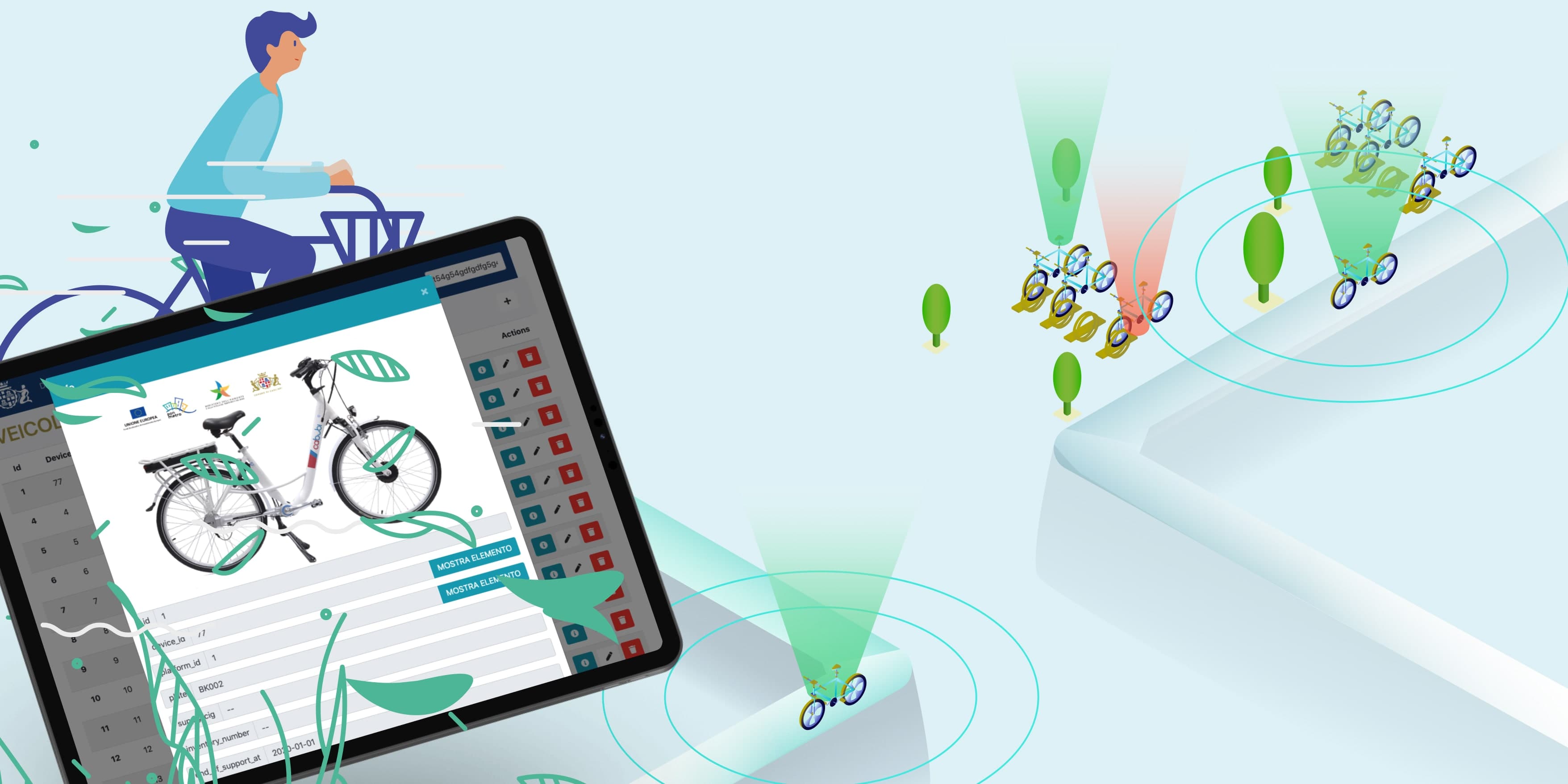
- We supplied the IoT technology for the shared fleet and built a middleware API-based app that acts as an asset manager for any public or private vehicle in the city.
- Every sharing service is integrated through a single API, giving city operators live data on all available and circulating vehicles.
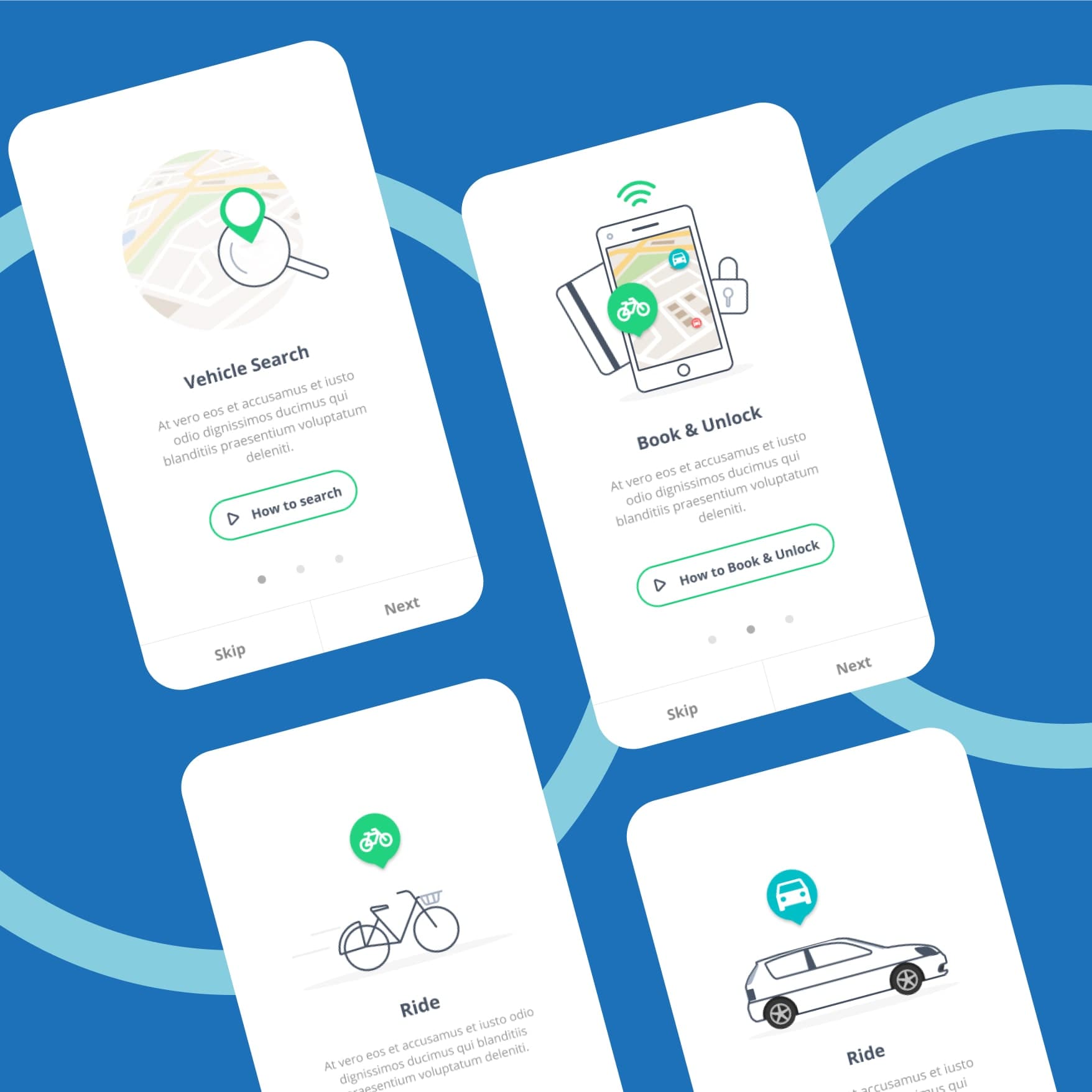
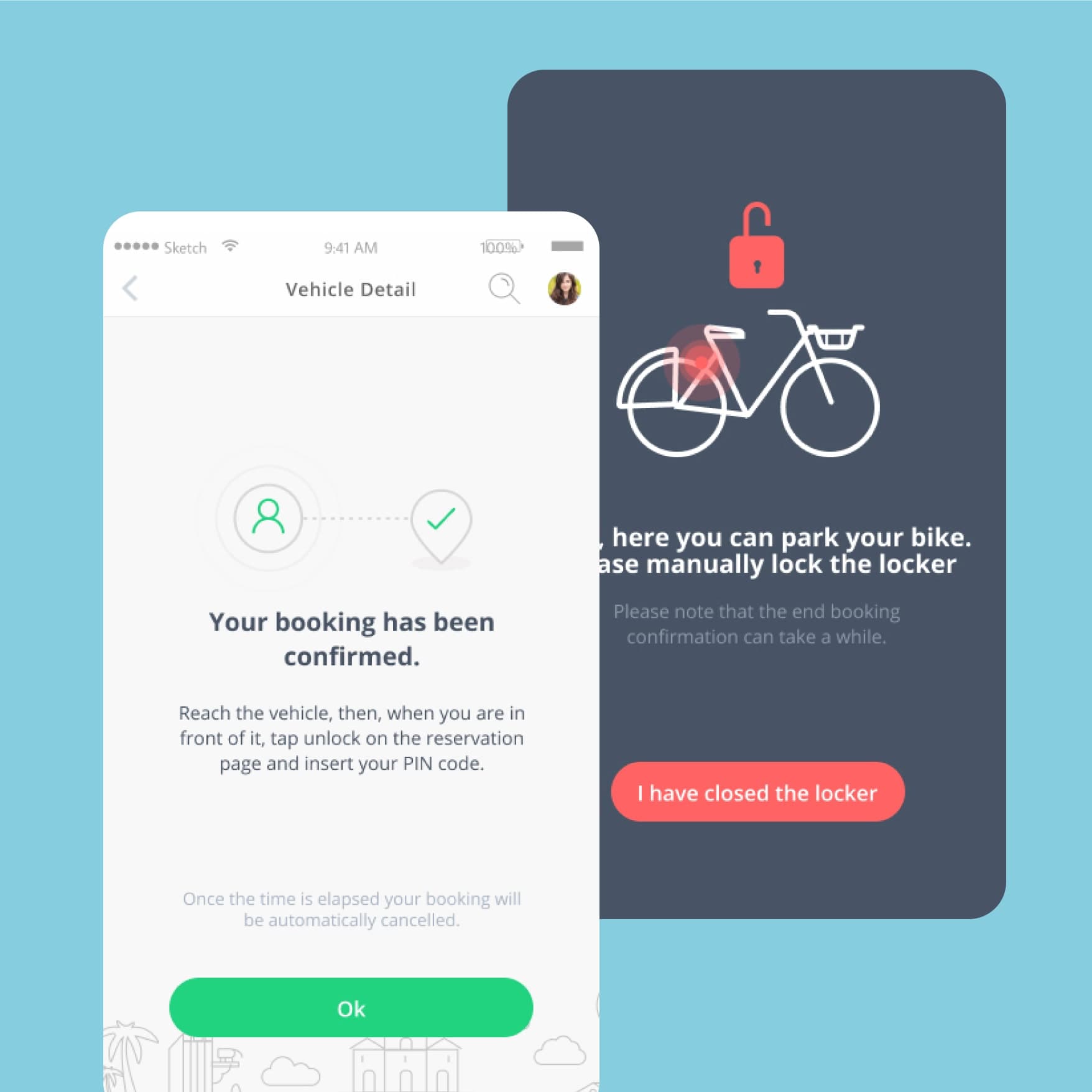
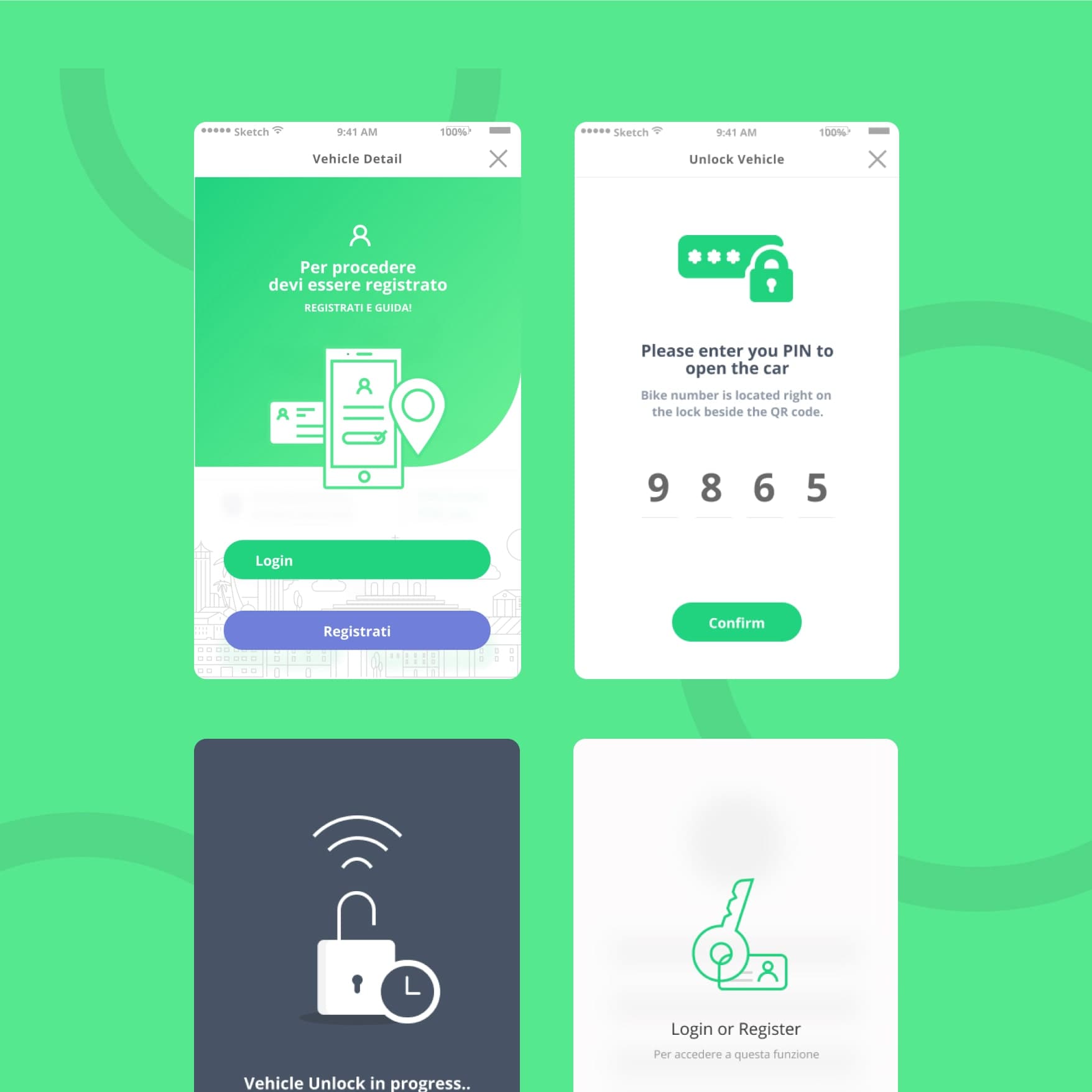
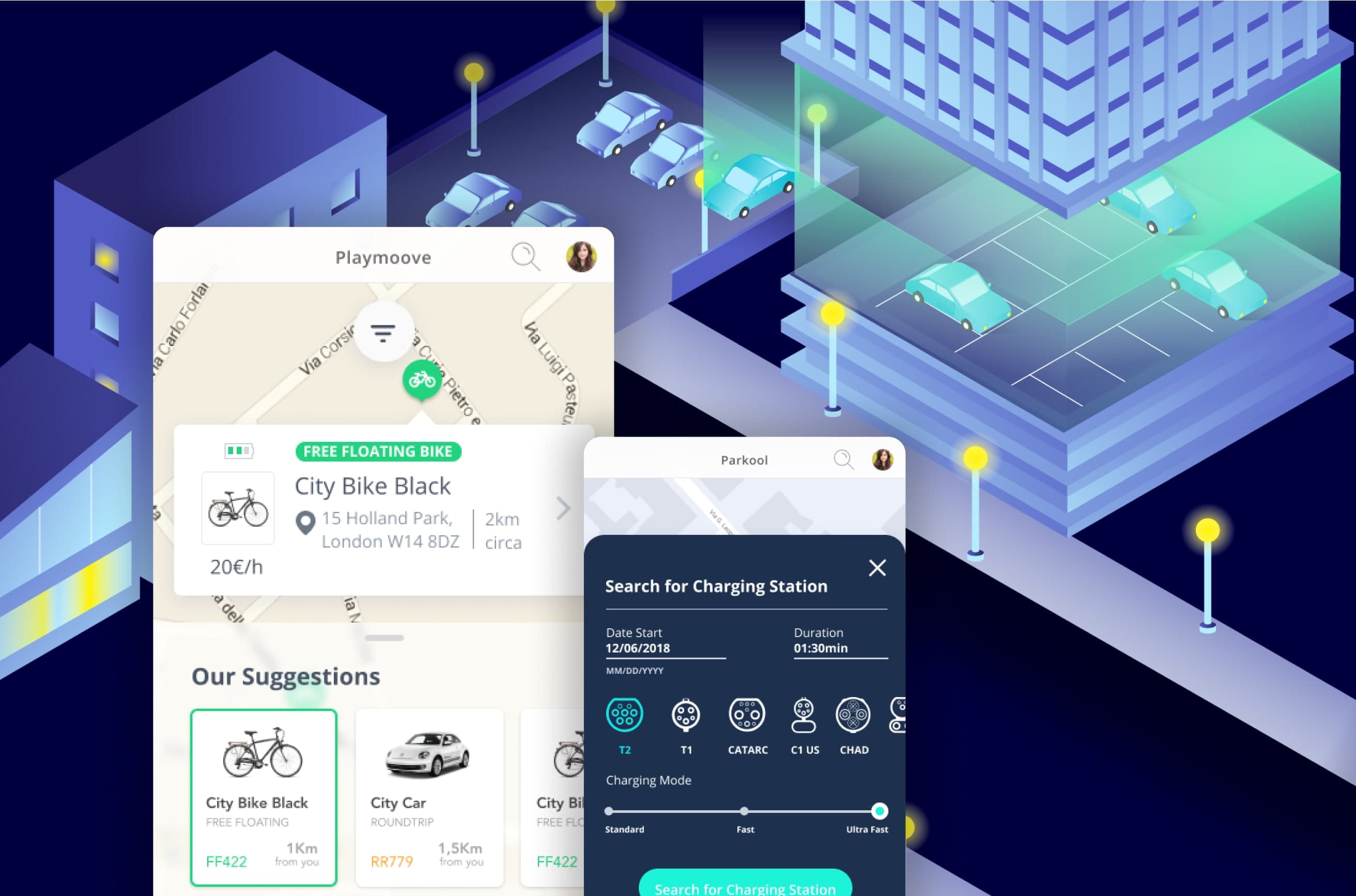
- A mobile app lets operators manage the whole fleet, and we defined an API standard so private services can be regulated consistently.
- LoRaWAN ultra-low-consumption smart lockers keep energy use down across the deployment.
Results
- 150+vehicles streamed in real time to the city council
- 1unified API for every operator
The context
The City of Cagliari set out to bring private micro-mobility, bikes and scooters, into a system the city hall could actually see and steer. Shared vehicles were spreading across the streets, but each operator ran its own island of data, and the city had no unified view.
The task was to balance private operations with the public interest. That meant integrating diverse operators without impeding them, tracking every shared vehicle in real time, and setting a common protocol so services could be regulated consistently.
What we built
We supplied the IoT technology for the shared fleet and built a middleware API-based app that acts as an asset manager for any public or private vehicle operating in sharing mode in the city.
- A single API that every sharing service integrates through, giving operators one source of truth.
- A mobile app for city operators to manage the whole fleet, public and private, from one place.
- An API standard that lets private services be regulated consistently across the city.
- LoRaWAN ultra-low-consumption smart lockers to keep energy use down across the deployment.
How it works in production
Each operator's vehicles report through the shared API, so the city council sees live status and location for everything circulating. Because the same data covers city-owned vehicles too, maintenance can be scheduled off real status rather than guesswork.
The outcome
More than 150 vehicles now stream their status to the city council in real time. The API standard gives Cagliari a way to regulate private sharing services properly, and maintenance scheduling improved because the state of city-owned vehicles is finally visible. Control of shared mobility sits back with the city hall.


§ 03
Have a workflow like this?
Book a 30-minute scoping call: we map one workflow, the modules it needs, and the hours a system would return.