What is the difference between an AI agent and a chatbot?
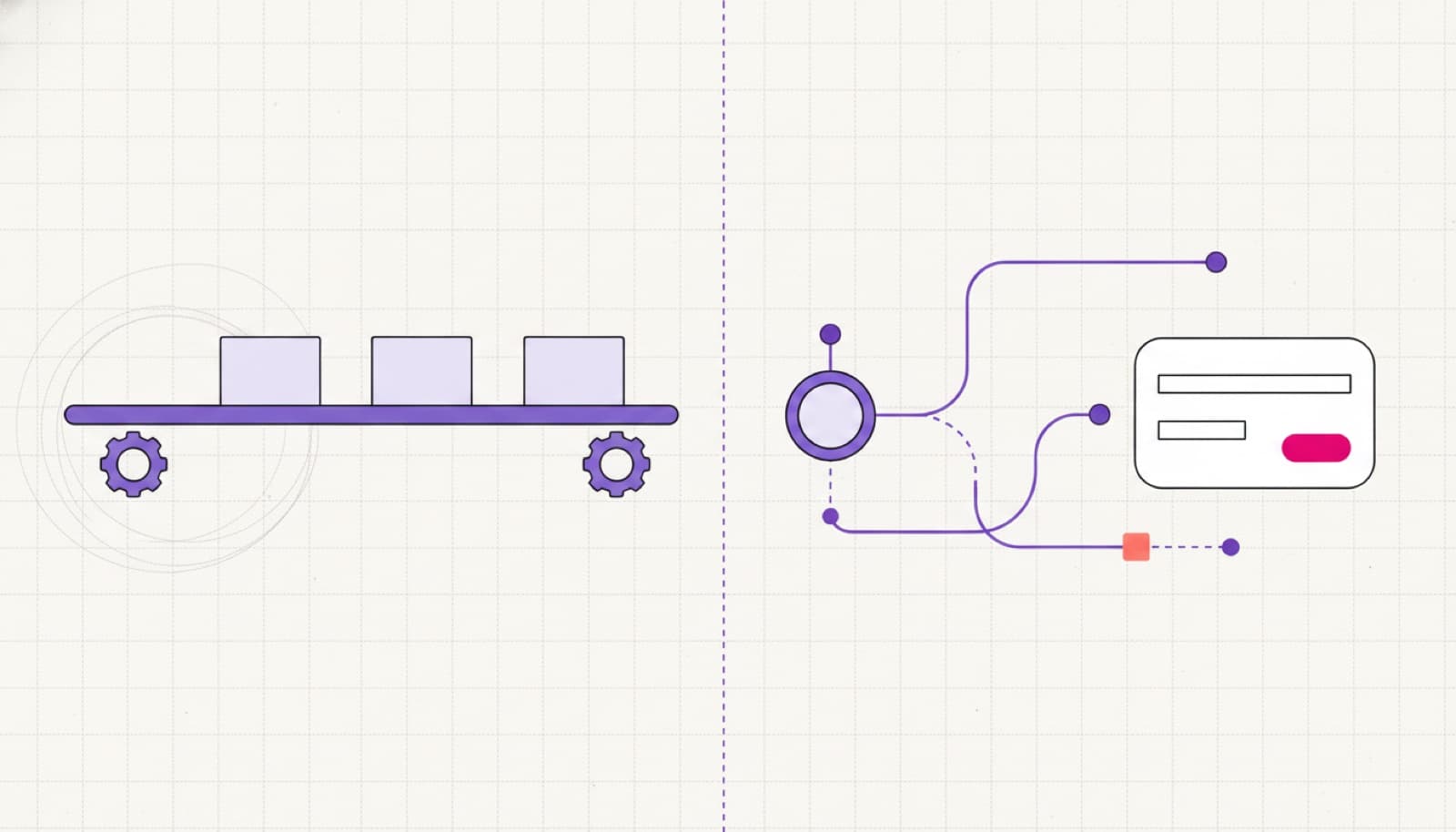
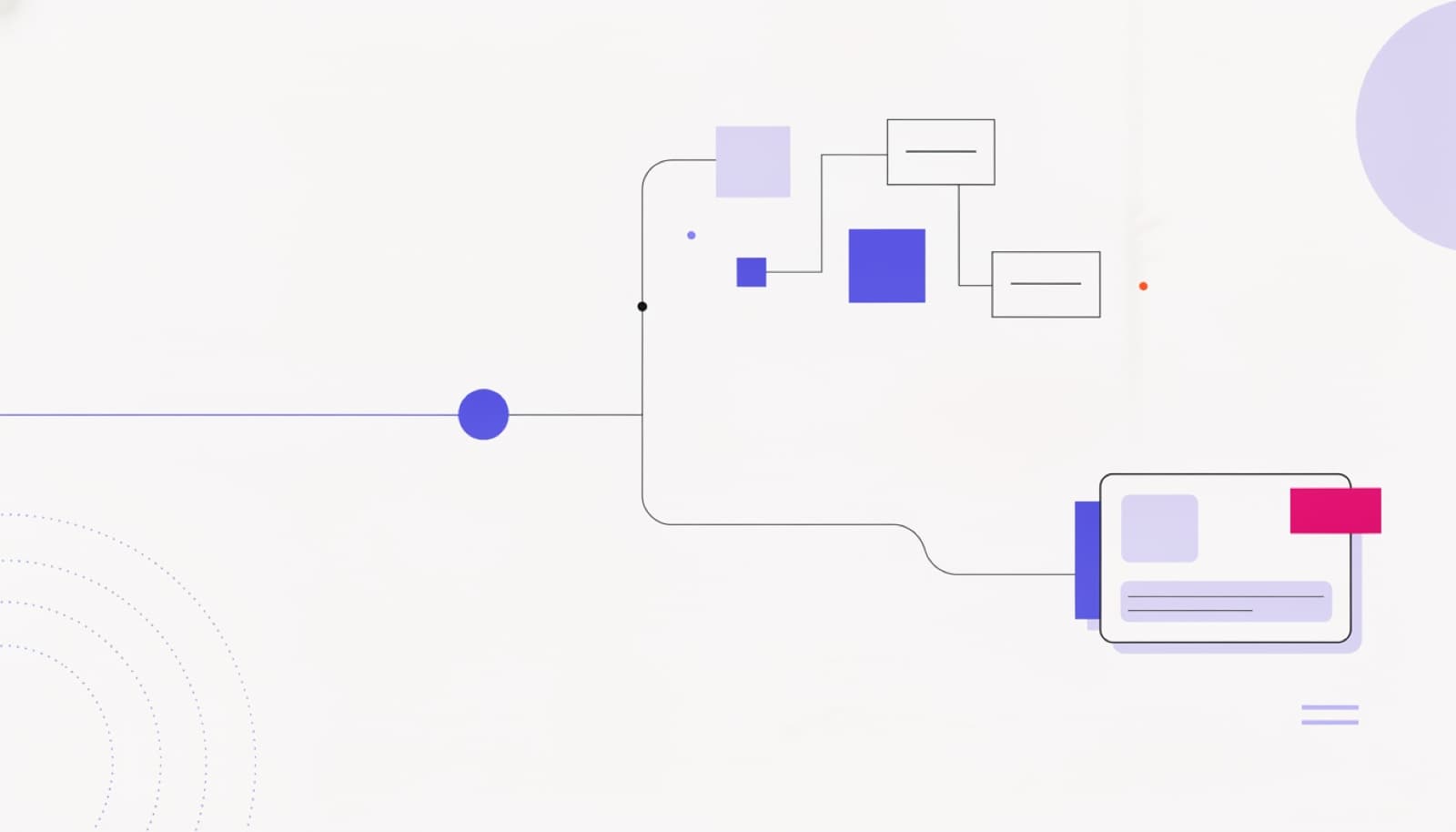
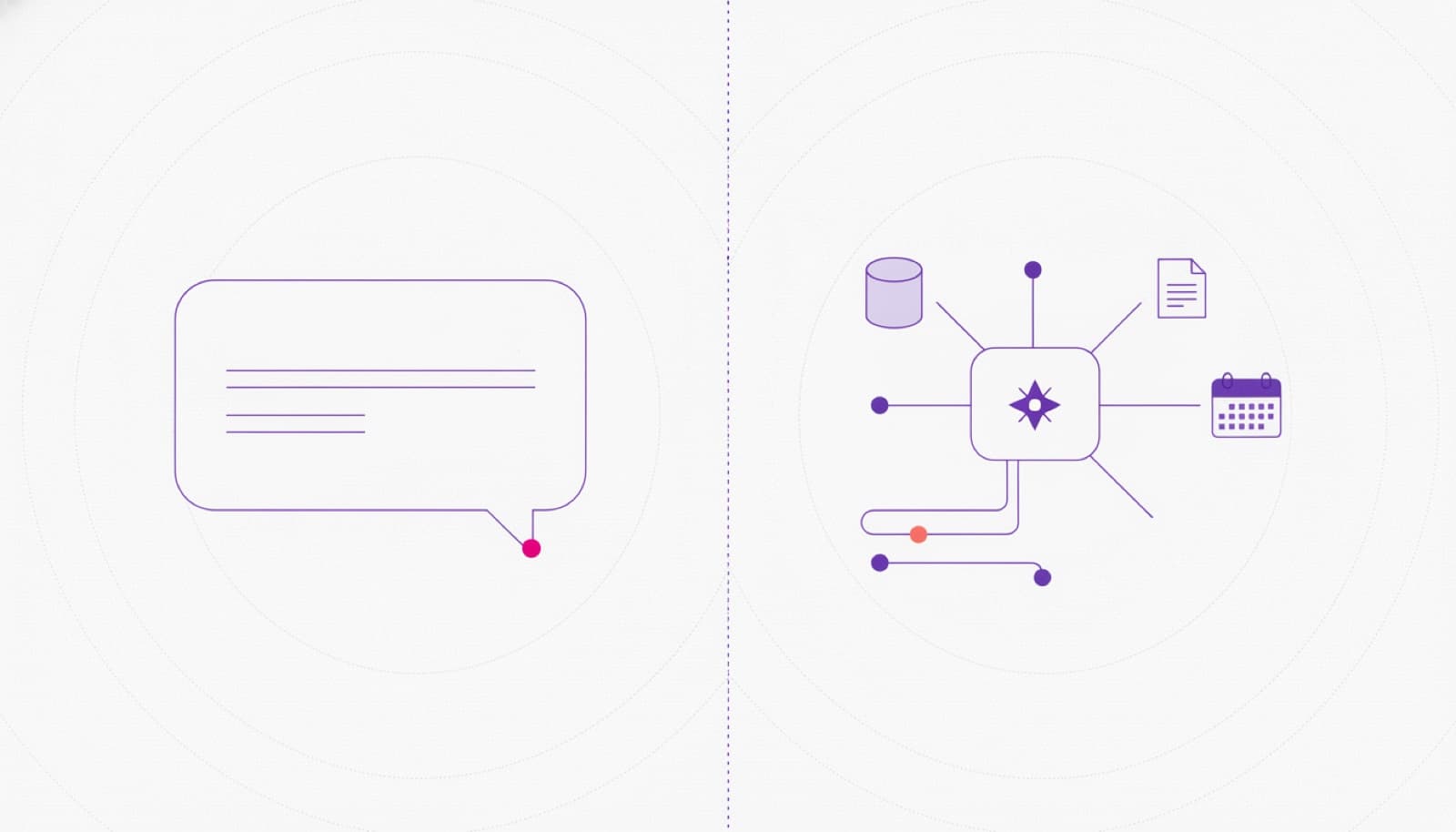
A chatbot generates a reply. An AI agent takes an action. That is the whole difference, and it changes everything about what you can build. A chatbot reads your message and produces text back. An agent reads a goal, decides the steps, calls the tools that do the work — update the record, send the email, book the slot — and reports what it did. One returns words. The other returns a finished outcome.
The confusion is understandable. Both talk. Both use a language model underneath. But a chatbot is a mouth, and an agent has hands.
A chatbot
- Responds to a prompt with text, and stops there.
- Has no reliable memory of what happened three messages ago, let alone last week.
- Cannot touch your systems — it can describe how to raise a refund, but it cannot raise one.
- Needs a human to read its answer and then go do the thing.
- Is measured by whether the reply was helpful.
An AI agent
- Takes a goal and breaks it into steps on its own.
- Carries state — it knows the customer, the order, the prior context.
- Has tools: it reads and writes to your CRM, ERP, inbox, database and APIs.
- Runs the work end to end, then hands back a result, not a suggestion.
- Is measured by whether the job got done — tickets closed, invoices sent, hours saved.
Why the distinction matters for your business
A chatbot deflects. It answers the top twenty questions so your team fields fewer of them. That is real value, and for a support FAQ it may be all you need. But it never removes the work — it just moves the easy part of it to a machine and leaves the actual task with a person.
An agent removes the work. When a customer asks to reschedule, a chatbot explains the policy; an agent checks availability, moves the booking, updates the record and confirms — while you were reading this sentence. The line between the two is autonomy: does the software need a human to finish, or does it finish itself?
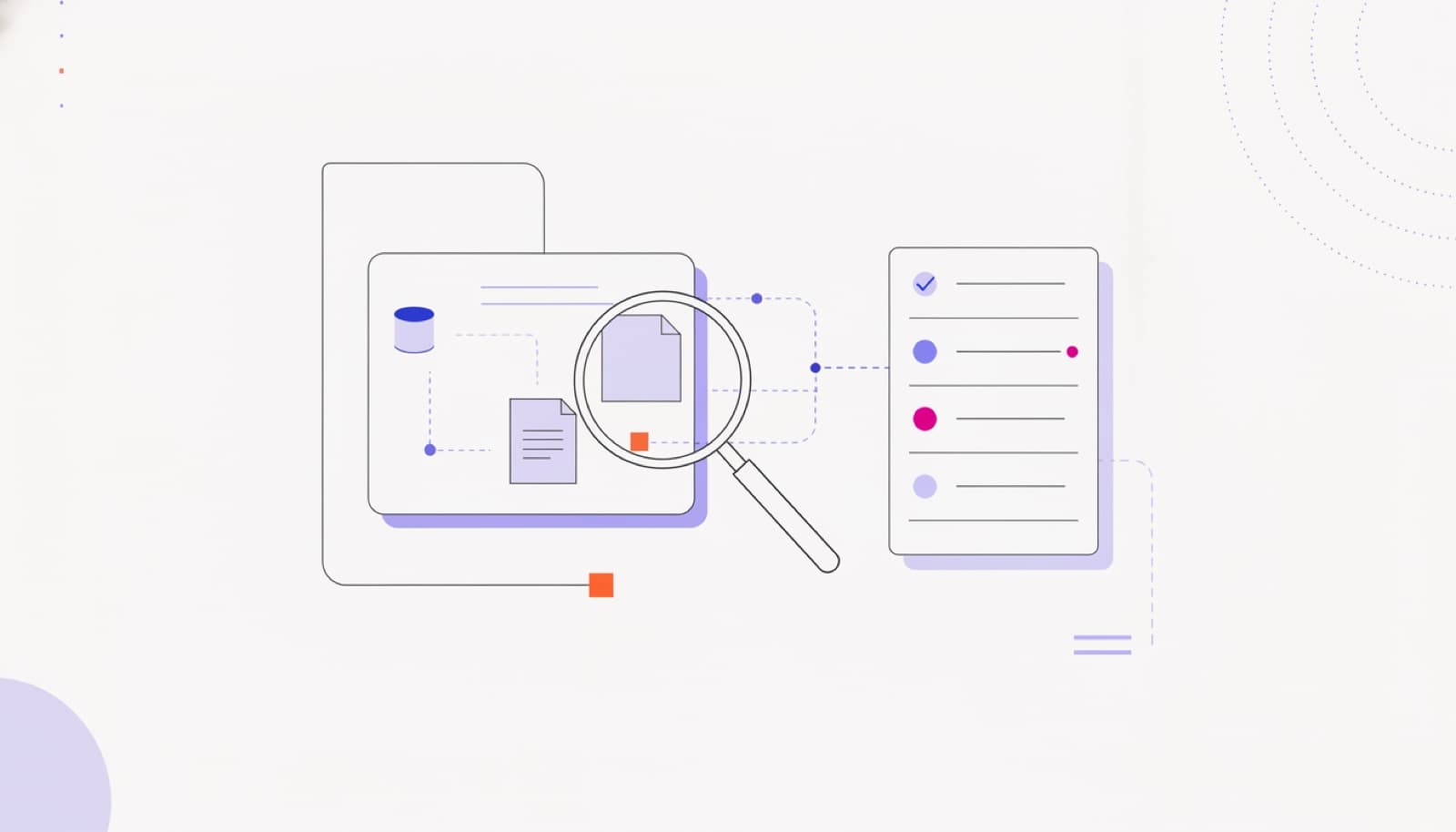
That number is not from a support widget. It is from an agent embedded in a lab workflow that reads a sample, validates it against rules, and writes the result back — 6M+ samples, 250ms validation, 0.5% scan error. A chatbot could have told a technician how to validate a sample. The agent validated it.
So which one do you need?
Ask what you want at the end. If you want a person to leave the conversation better informed — a help centre, a product guide, a first-line triage that routes to a human — a chatbot is the honest, cheaper answer. Do not over-build.
If you want a process to run without a person driving it — reconcile these payments, chase these overdue invoices, keep this schedule filled, move data between these two systems — that is agent territory. The tell is simple: the moment the useful part of the job is an action in one of your systems rather than a sentence to a human, you have crossed from chatbot to agent.
- Want conversation and deflection? Chatbot.
- Want a task completed inside your systems? Agent.
- Want both? Start with the agent — the conversation is the easy layer to add on top, not the hard one.
“Built for production, not demos. The question is never whether it can chat — it's whether it can close the ticket without baby-sitting.”
DBrothers — how we scope agents
Most vendors will sell you a chatbot and call it an agent because the word sells. The honest test is boring and reliable: point at your systems and ask what it writes back. If the answer is nothing, it is a chatbot. If it changes your data, closes your tickets and saves your hours, it is an agent — and that is the thing worth building.