What are AI world models, and what business use do they have?
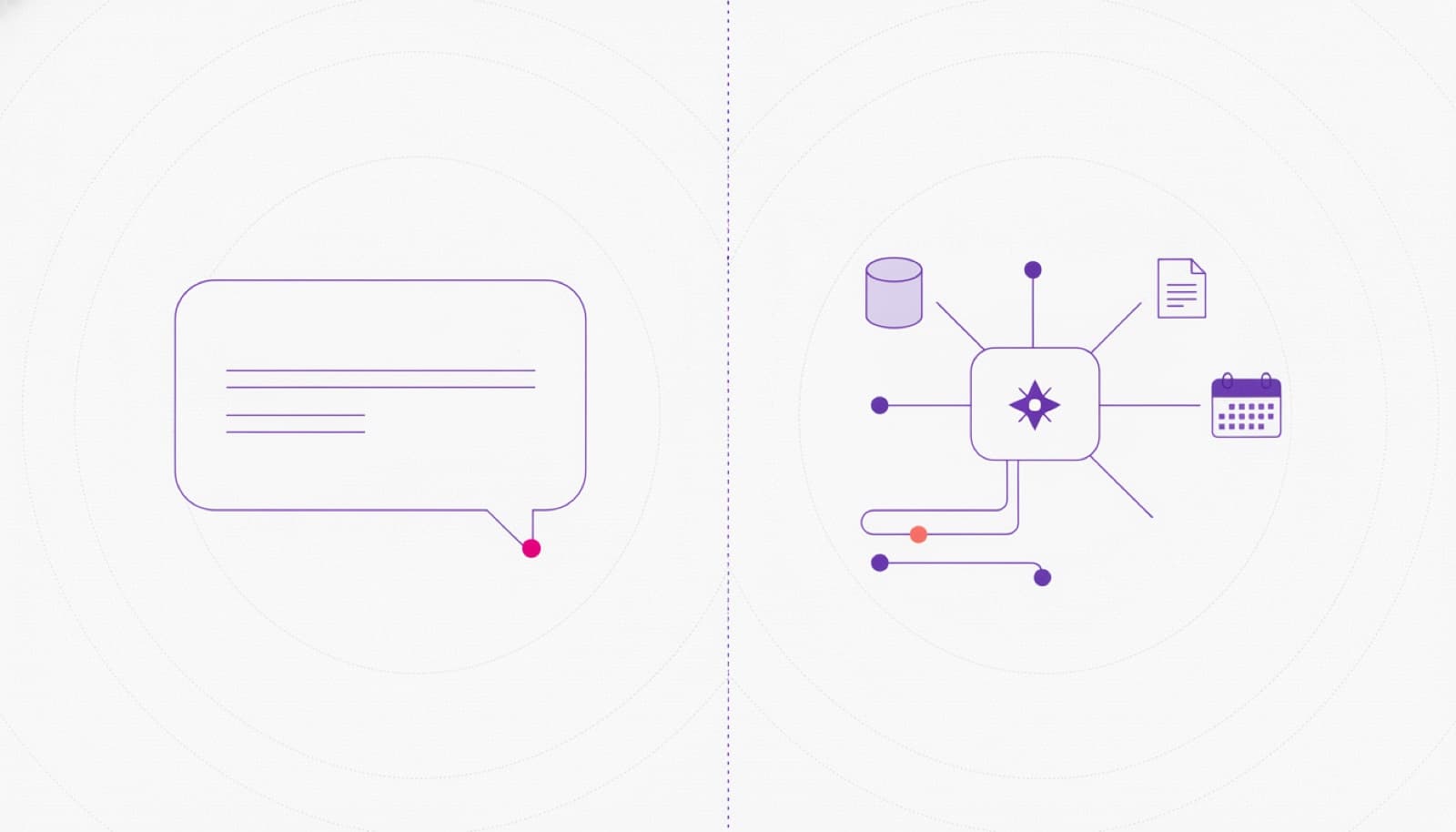
On 27 October Google DeepMind presented Genie 4. It is a world model, meaning an AI that generates a simulated environment and lets it evolve in real time. You set an event in motion and the model shows what happens next, with physics, people who move and speak, and sound. For now only selected testers can use it.
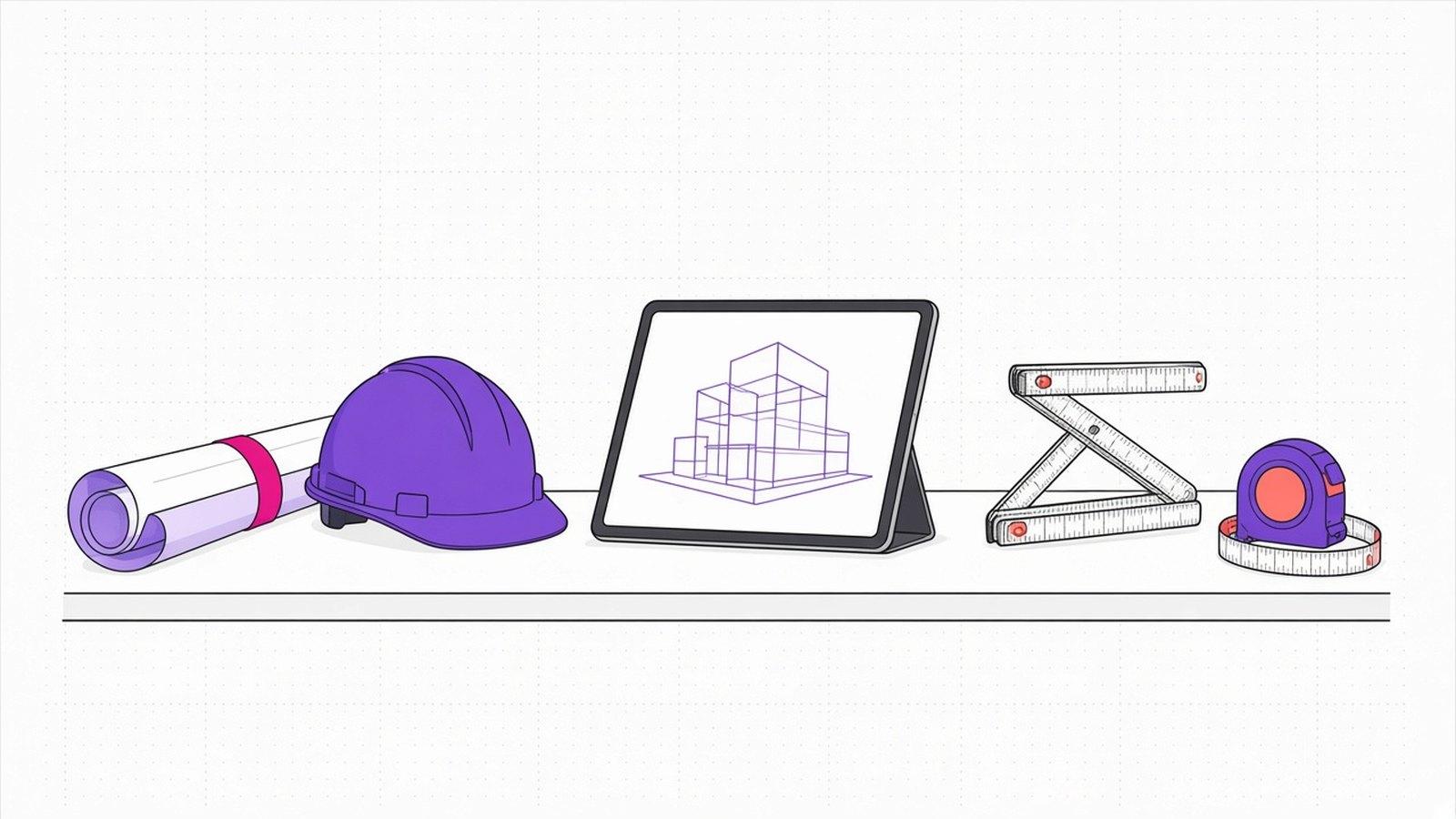
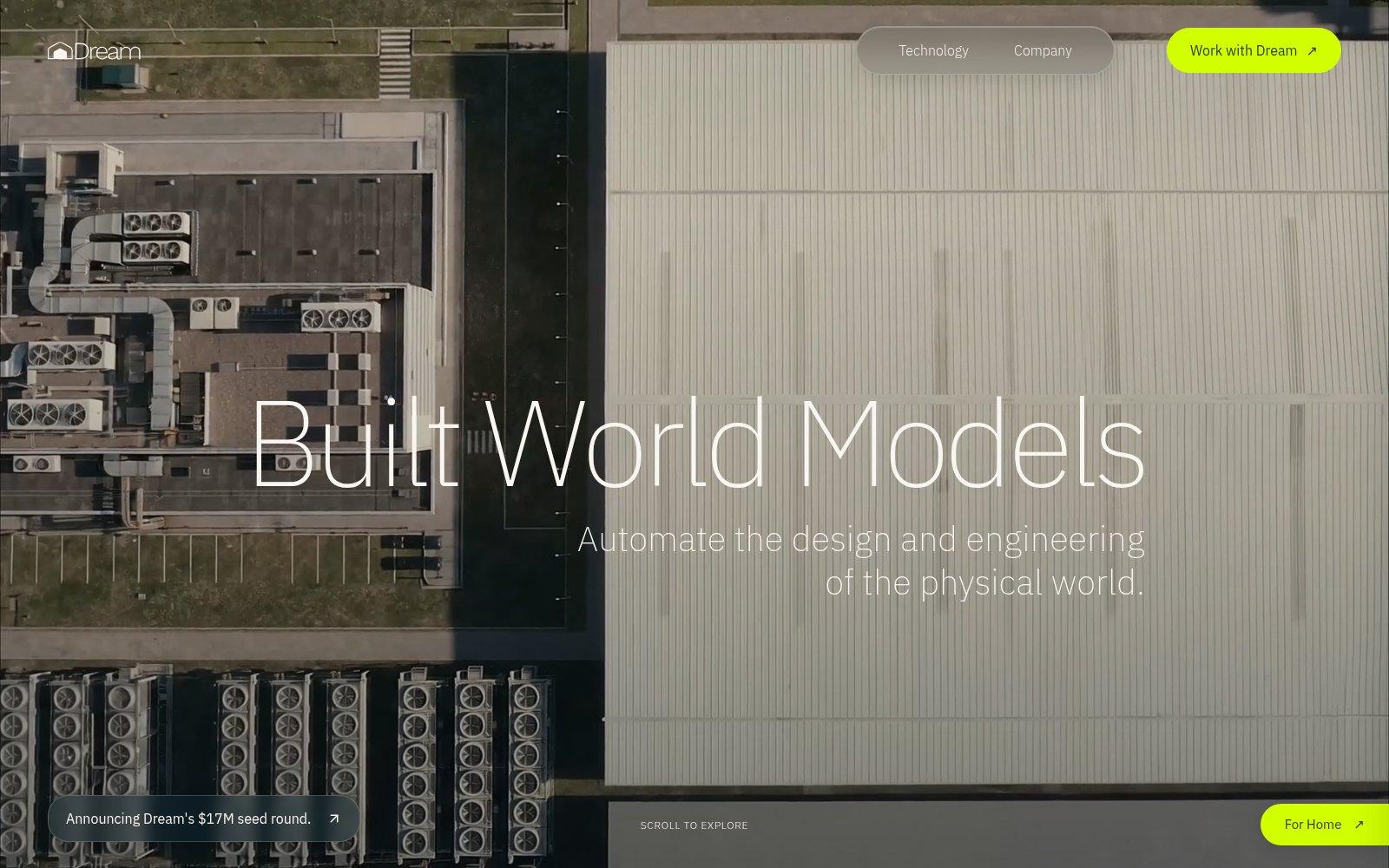
Two days later, according to TechCrunch, the startup Dream came out of stealth with $17 million in seed funding led by Andreessen Horowitz. Two former Palantir executives founded it to build world models for construction.
- Genie 4 changes the scene while it runs. You can ask in plain words to change the weather, move the camera or add a person.
- Google DeepMind calls it an experimental model. In long sessions details can drift, and complex physical interactions still need work.
- Its testers include teams from film, journalism, education, games and engineering. Some companies are assessing it to generate scenarios to test, and DeepMind is trying it in its robotics research.
- Dream does not generate a world to explore. It designs whole buildings, beams and building services included, and customers use it to picture a design and estimate its cost. According to TechCrunch it is already in use on 10 projects in Texas and California.
Can a world model simulate a building site yet?
Not if you picture a live site with cranes and crews at work. Genie 4 generates believable scenes for short sessions, and it was built to test ideas and train robots and agents. Dream works before the site opens, on the design. Our read: today world models help you test an idea before you spend, not plan the crew's day.
What can it do for your business?
Think of a contractor preparing the quote for a block of flats. A tool like Dream promises design options that account for structure and building services, with a cost estimate. A model like Genie, once available, could show in seconds how an event unfolds; some testers use it to picture a flash flood. These are the makers' promises, and on a building site they are still untested.
What about us?
We build software for construction companies. Livella OS runs sites, crews, equipment and materials, and ReportOre collects the daily site report, even by voice. We do not use world models. If a contractor wanted to try them, we would start from the data it records every day, such as reports and photos, because a simulator without real data only shows a generic site.
What should you do now?
- If you design buildings or estimate costs, follow tools like Dream and ask for a trial on a project you have already closed, to compare the results.
- If Genie 4 interests you, join Google's waiting list, but don't plan around an availability date that doesn't exist.
- If your site data is scattered across paper, chats and spreadsheets, start there. Without that data no simulator will help you.
“A simulator is only as good as the site data you give it.”
DBrothers — how we work with construction companies
Want to know whether simulation fits your process? Let's start from a real case, such as the last quote you closed.