What happened with Claude Fable 5.2?
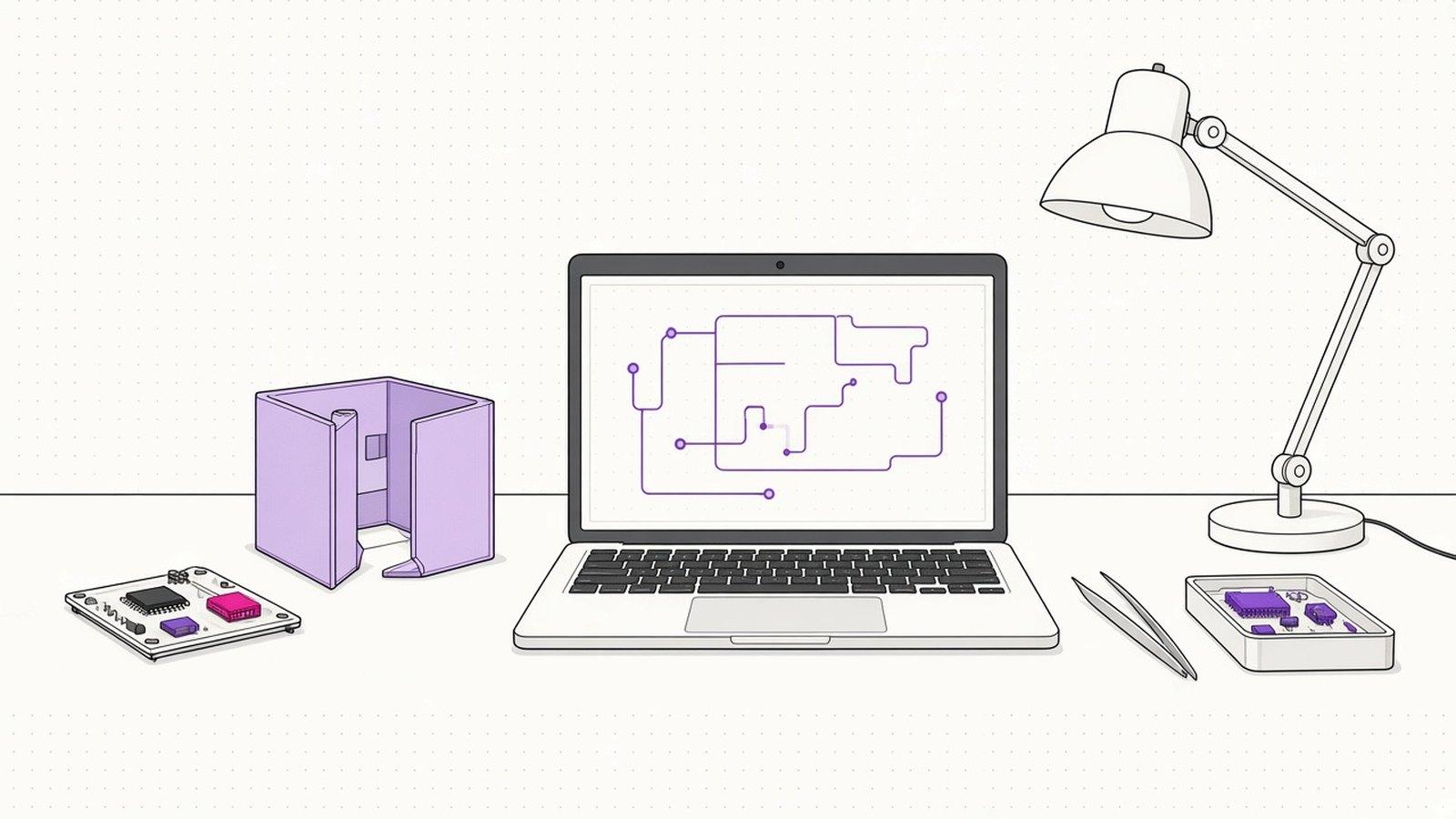
On 9 November 2026 Anthropic published an electronics design test run with Claude Fable 5.2, its new model. Starting from a short request for each device, the model designed three prototypes that work. The project was done with Diode Computers, a company that designs and makes circuit boards and has a commercial relationship with Anthropic, as Anthropic itself discloses. The account is Anthropic's alone and has not been checked by third parties.
- The three devices are a speakerphone that plugs into a computer over USB, a home voice-assistant hub and a battery-powered handheld virtual pet.
- Claude wrote the specifications and picked parts available from US distributors. It laid out four-layer boards, designed a 3D-printed case and wrote the software.
- Each board was ready for manufacturing in under a day, with little human input.
- Diode built the boards and Claude guided its engineers through testing and assembly. All three devices worked without electrical modifications.
- Anthropic stresses that these are prototypes. They have not been through electrical validation, thermal testing or certification, and they were not designed for mass production.
One detail shows the kind of work involved. The speakerphone board would not drop straight into its case, because the mute switch hit the back wall. Claude worked out that the board had to be tilted by about 25 degrees during assembly, tested it on the 3D model and added the step to the instructions.
What does it mean for your business?
Picture a company that builds packaging machines and has to redesign the control board of a spare part, because one component is no longer available. The engineer looks for an alternative, reads the datasheets, checks distributor stock and redraws the board. Anthropic's test shows that a model can prepare a first version of that work.
Our read: the gain is in the first draft and in the repetitive checks, such as making sure the parts can be bought. Sign-off on the design, testing and certification stay with your engineering team.
What about us?
Here is how we would use it. Around every design there is office work that an agent connected to your systems can prepare. For example, the parts list checked against your stock and against supplier availability, with the engineer approving every change.
What should you do now?
- If you design boards or spare parts, try a model on a part you have already made and compare its draft with your engineer's.
- If you buy custom electronics, ask your supplier whether they use AI in design and who signs off the checks.
- If your bottleneck is parts lists and stock checks, start there rather than with the drawing.
“A model can get as far as the circuit board. Testing and sign-off stay with whoever makes it.”
DBrothers — on the Claude Fable 5.2 hardware test
If you want to see which office work around your projects an agent could prepare, start from one real case. We can look at it together, with your engineer reviewing it.