Which European sovereign AI alternatives exist today?
Within a few days in October, three answers to the same question arrived. On 15 October the Swiss Apertus project published the release notes and technical report for version 1.5, a fully open model. On 20 October Mistral, the French AI company, launched Voxtral 3, a family of voice models also available from an EU-hosted service. The same day Microsoft presented new parts of its Sovereign Cloud, which can also run disconnected from the internet.
European, sovereign and in-house do not mean the same thing. Here is what each route offers, then how to choose.
What does Apertus, the fully open Swiss model, offer?
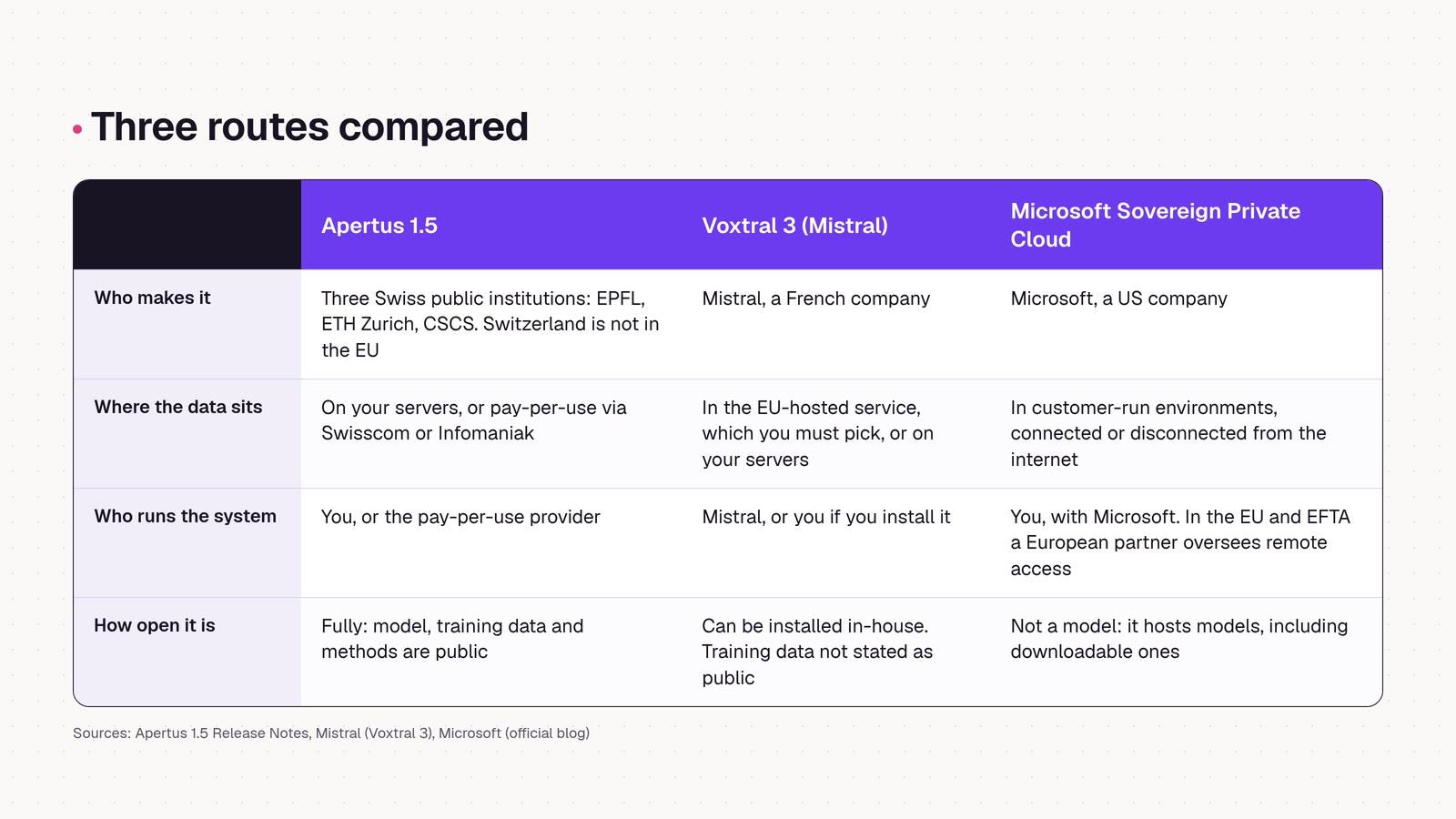
Apertus comes from three Swiss public institutions: the EPFL and ETH Zurich universities and the national supercomputing centre CSCS. It is fully open. Besides the model, the training data and methods are public, under a licence that allows commercial use. You can install it on your own servers and know which texts it learned from.
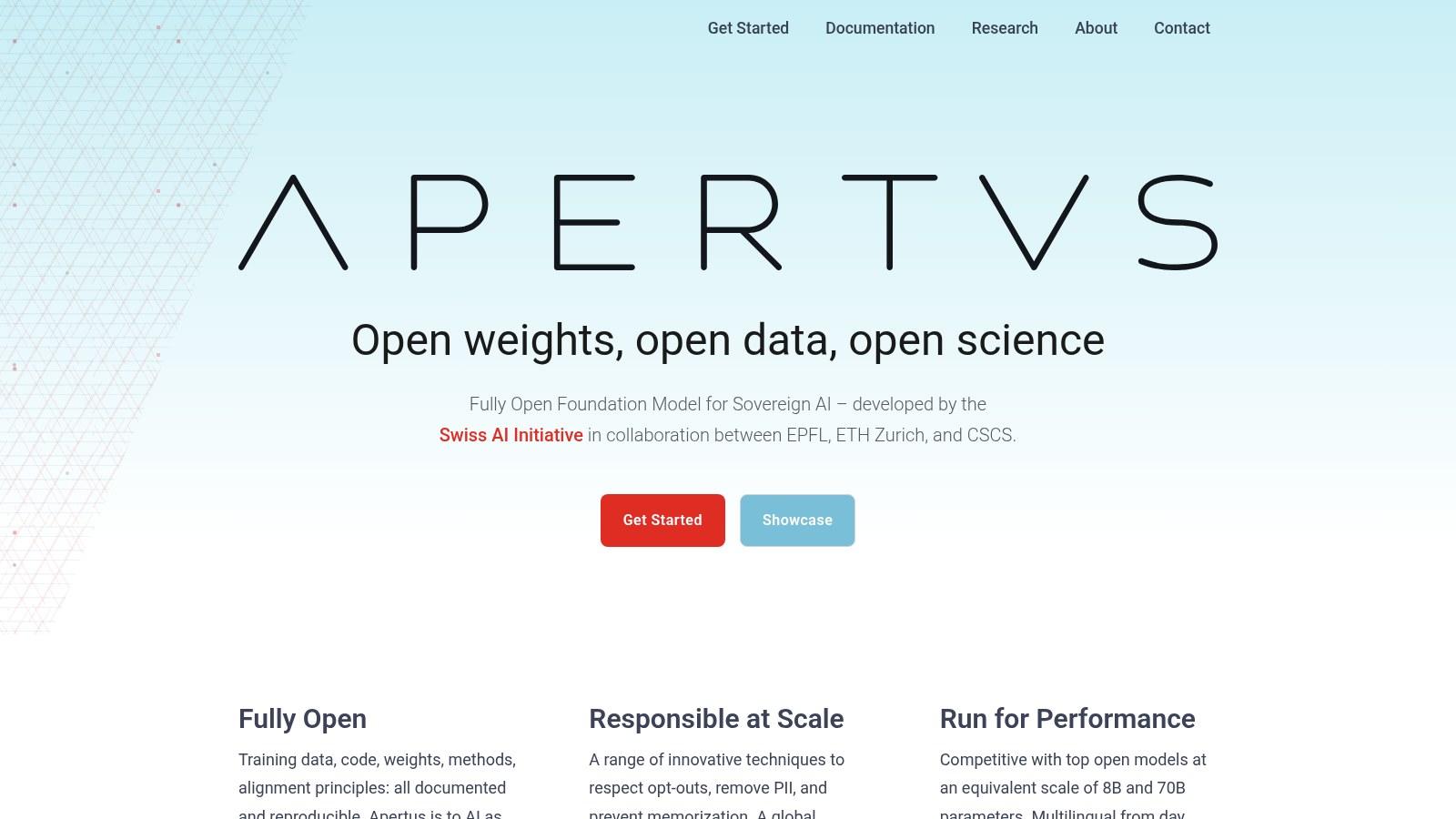
Version 1.5, downloadable since July, also reads images and audio. If you don't want to install it, Swisscom and Infomaniak have announced pay-per-use access, and Proton's Lumo app has already built it in. The authors themselves write that it still trails the strongest open models. Bear in mind too that Switzerland is not in the EU.
What changes with Mistral's Voxtral 3?
Voxtral 3 transcribes more than 50 languages, speaks more than 35 and can hold a phone conversation. Mistral offers it from its EU-hosted service or to install on your own infrastructure. You decide where the audio is processed and whether conversations are kept.
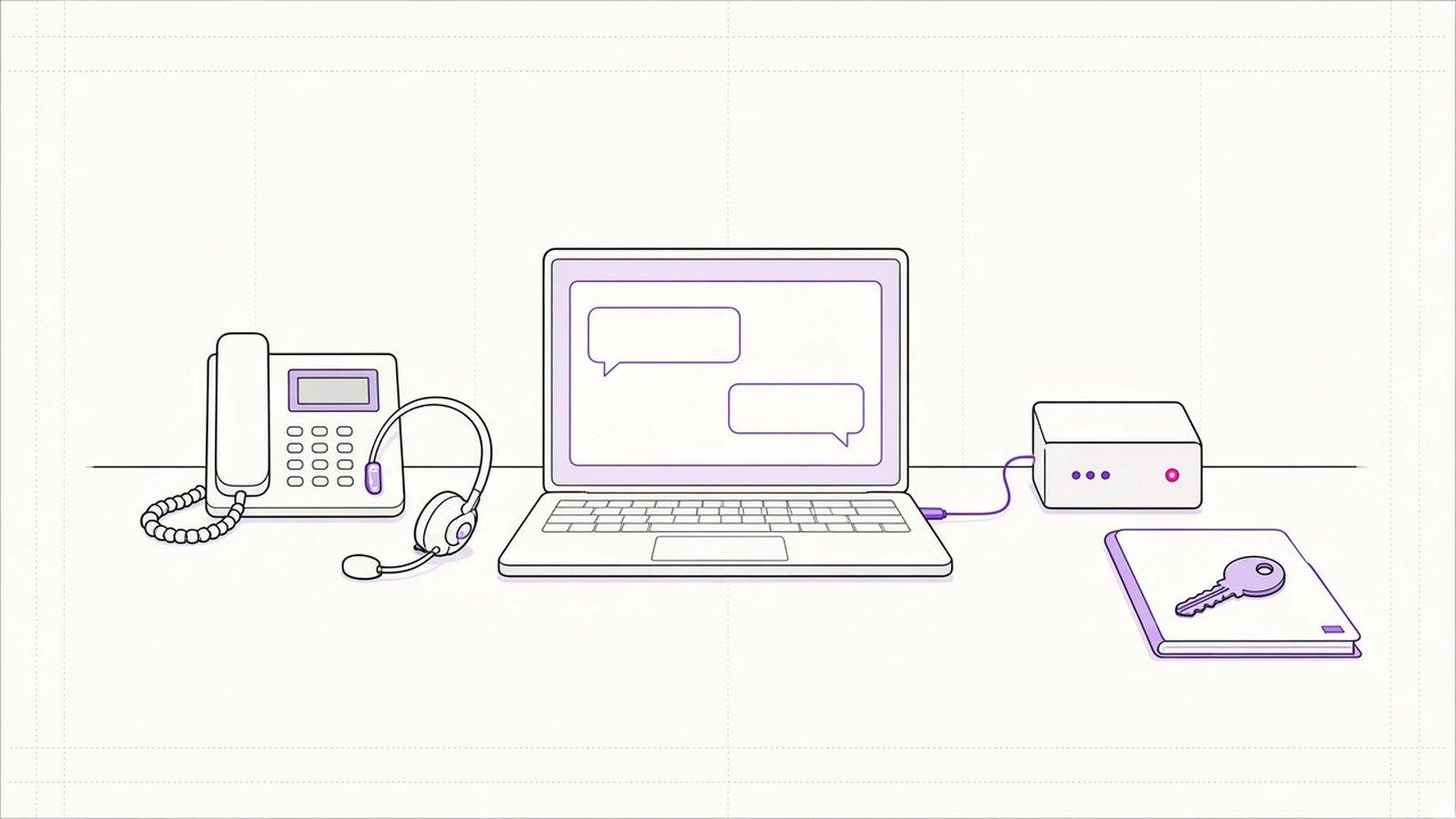
Think of the front desk that books appointments or tells callers where their case stands. With Voxtral the customer's voice can stay in Europe or on your servers. Watch out, though, because Mistral also serves the same models from US and global addresses, and you have to pick the European one. For text, Mistral has also made its largest model, Mistral Large 4, downloadable.
Is Microsoft's Sovereign Cloud a European alternative?
No, Microsoft is still an American company. It does answer the same question, though. Its Sovereign Private Cloud brings cloud services into environments the customer runs, connected to the internet or disconnected. The option to switch from connected to disconnected is in public preview.
For customers in the EU and EFTA, Microsoft is rolling out Data Guardian. When one of its engineers accesses systems remotely, a European partner oversees it, and those accesses are recorded. Microsoft is also announcing Foundry Local, to run models, downloadable ones included, inside these environments. Our read: here sovereign means more controls on the provider, not a different provider.
European, sovereign or in-house: what is the difference?
- European means the provider is based in Europe, like Mistral in France. Data stays in the EU if you choose the service hosted there.
- Sovereign means you decide where the data sits and who can reach it, even if the provider is American. That is the promise of Microsoft's Sovereign Cloud.
- In-house means the model runs on your servers, like Apertus or Voxtral installed by you. No provider sees the data, but upkeep is yours.
- Open means the data the model learned from is public too. Of the three examples, only Apertus does this.
Which route fits your data?
- If you handle medical records, citizens' case files or legal documents that cannot leave your perimeter, choose an in-house model or a private cloud that also runs disconnected.
- If your data is ordinary but you want it to stay in the EU, use a European service hosted in the EU and get it written into the contract.
- If you already use Microsoft and need to keep running without a network, look at Sovereign Private Cloud, knowing the provider is still American.
- If you must explain to a public body or an auditor what the model learned from, look at fully open models such as Apertus.
What about us?
Our Partners page lists Google Cloud, Anthropic and OpenAI, three American companies. The systems we build, though, do not depend on a single model. Claude, ChatGPT, local models or our own agents go through the same gate, and you can switch models without touching the system. They run on your cloud or your servers, and where required we keep data in the EU.
If we worked with you, we would start from the list of data your office handles, such as invoices or call recordings. For each one we would decide where it may go. Then we would choose the model, ready to change it if a better-suited European one comes out tomorrow.
“First decide where your data may go. The model comes second, and it must stay replaceable.”
DBrothers — how we choose models
Frequently asked questions
Is a European provider enough to comply with GDPR?
No. What counts is how you use the service, meaning which data you pass to it, where it processes it, how long it keeps it and what the contract says. Where the provider is based is only one part.
Is Apertus free?
The licence allows commercial use with no licence fee. The hardware and whoever runs it are on you, or you pay a provider such as Swisscom or Infomaniak to use it pay-per-use.
Can I change route later?
Yes, if the system is built for it. If your processes depend on one provider's features, switching costs more. That is why it pays to keep your office's work separate from the model that runs it.
If you want to know which route your data needs, we start from the list of what your office handles and help you choose between US cloud, European cloud and in-house.